
Gold, Silver, and Black Shilajit: What the Color Really Tells You

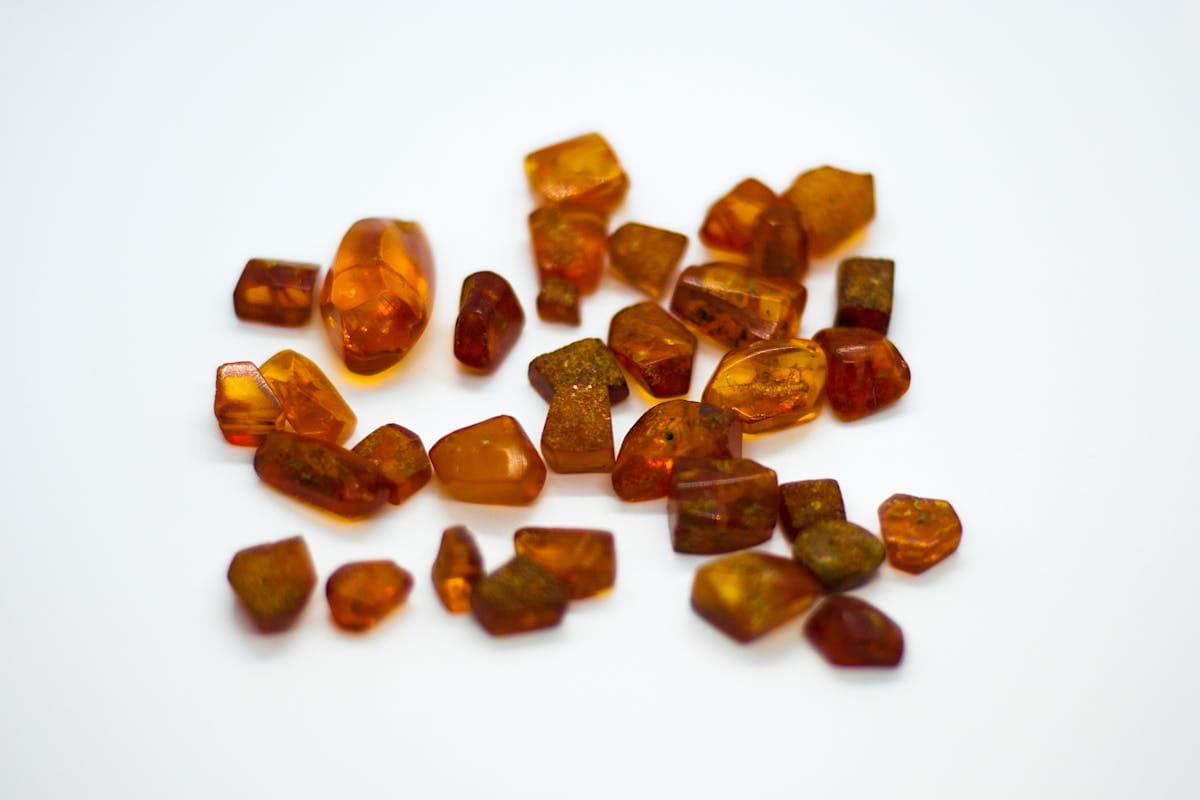
The color hierarchy in shilajit, gold at the top, silver in the middle, black at the bottom, is older than modern marketing but younger than its current price tags. Classical Ayurvedic texts like the Charaka Samhita do describe four metallic types of shilajita (gold, silver, copper, iron), but they refer to subtle therapeutic profiles, not premium grades. The modern jar with "Gold Grade" stamped in foil is a 21st-century invention.
That gap matters. We have seen "gold" jars priced 60% higher than the same brand's standard resin while showing essentially identical fulvic acid content and heavy-metal panels in the COA. We have also seen genuine altitude-graded gold-tier resin that earned the markup with cleaner mineralogy. The label alone tells you nothing; the lab data tells you everything.
The Traditional Color Story (Briefly)
Classical Ayurveda groups shilajit into four metallic categories.
| Type | Color hint | Traditional indication |
|---|---|---|
| Suvarna (gold) | Reddish, golden brown when dissolved | Vitality, longevity, deep tissue support |
| Rajata (silver) | Whitish, gray cast | Cooling, calming, mental clarity |
| Tamra (copper) | Greenish, peacock-throat sheen | Digestive fire, metabolism |
| Lauha (iron) | Black, rust-brown | Blood, energy, stamina |
These descriptions referred to the color of the dissolved solution, not the resin in the jar. Modern brands borrowed the vocabulary, then applied it to packaging based on the appearance of the resin itself, which is a different thing entirely.
If a brand uses these terms with reference to dissolution color, mineral fingerprinting, or harvest altitude, the language is meaningful. If they use it to differentiate price tiers without supporting data, the language is marketing.
Black Shilajit: The Practical Default
Black or near-black resin is the most common form on the market. Its color comes from a high share of iron-bound humic substances and the natural polymerization that occurs in the rock matrix over centuries (Carbonates and Evaporites, 2012, on Himalayan source mineralogy).
Black is not a downgrade. Many of the highest-fulvic-acid resins we have tested were near-black or deep brown. The BetterAlt Himalayan Shilajit resin is a clean example of a minimally-processed black tier that holds up on heavy-metal panels, and Pure Himalayan Organic Resin Shilajit sits in the same category.
Black shilajit makes sense when:
- You want maximum fulvic acid and humic substance per dollar
- Your goal is energy, training recovery, or testosterone-protocol use (per /blog/shilajit-testosterone)
- Your budget runs $0.85-$1.50 per gram of resin
- You prefer minimally-processed material over heavily filtered "premium" tiers
Real black resin should soften on the palm in 30-60 seconds, dissolve completely in 70°C water within 10-15 minutes, and produce a dark-amber to coffee-black solution without grit. If the resin stays brittle in the hand or leaves sediment in water, the issue is fakery, not the color.
Gold Shilajit: When the Premium Is Real
"Gold" can mean three different things on a jar.
| Use of "gold" | Honest? | What it actually indicates |
|---|---|---|
| Higher-altitude harvest, top of the rock face | Yes | Generally cleaner mineralogy, lower heavy metals |
| Multi-stage purification with finer filtration | Sometimes | May reduce contaminants but can also reduce fulvic acid if over-processed |
| Same resin, gold lid, premium SKU | No | Marketing tier without lab support |
| Trace gold or gold-salt addition | Concerning | Raises safety questions; rarely well-disclosed |
Honest gold-tier shilajit shows up in COA data as a lower heavy-metal load, a cleaner microbial panel, and often slightly higher dibenzo-alpha-pyrone content from a more careful harvest selection. Premium products like NutroTonic Authentic Himalayan Shilajit and Authentic Siberian Altai Golden Mountains Shilajit tend to fit this honest use of the gold-tier idea, with documentation to back it.
Gold shilajit is worth the premium when:
- The brand publishes a separate COA for the gold tier showing actually different (better) numbers
- The harvest region and altitude band are disclosed
- The price gap to the standard tier is justified by a measurable quality gap (5-15% better fulvic acid, 30-50% lower heavy metals, etc.)
It is not worth the premium when the only difference is a foil label and a 60% price hike.
Silver Shilajit: The Underdefined Middle
Silver-grade shilajit is the least-standardized tier. Some brands use the term for resin with a slight gray or white sheen, possibly from a different mineral mix. Others use it for an extra-filtered version of their black resin. A few use it for products targeted at calming, focus, or mental-clarity claims, building on the rajata association in the Charaka Samhita.
Modern silver-labeled resins tend to look dark gray to deep brown with a slight gray cast. The gray can come from higher silica or aluminum-silicate content in the source rock; it is not silver metal. Brands tying silver-tier products to focus and brain support align with the broader case for shilajit and cognition (see /blog/shilajit-benefits-for-brain), and a focus-tuned product like Essencraft Shilajit is one option in this lane.
The honest read: silver is a useful term when accompanied by a clear differentiation in COA. Without that, it is just a shelf placement between black and gold.
What Color Does and Does Not Indicate
Color is a low-information signal compared to a lab panel. A practical reframe:
| Question | Color answers? | What actually answers |
|---|---|---|
| Is it real shilajit? | Partially (very pale = suspicious) | Solubility test, body-heat softening, COA |
| Is it pure? | No | Heavy metals on COA |
| Is it potent? | No | Fulvic acid, DBP percentages |
| Is it safe? | No | Microbial panel, heavy metals |
| Was it sustainably harvested? | No | Brand sourcing disclosure |
| Does it match my goal? | Loosely | Bioactive composition, dose protocol |
The /blog/pure-shilajit guide breaks down what the home tests can and cannot tell you, and /blog/how-to-take-shilajit covers preparation regardless of color tier.
Matching Color (Plus Lab Data) to Goals
Use this as a starting filter, then verify with the actual COA before buying.
| Goal | Recommended tier | Why |
|---|---|---|
| Daily energy and stamina | Black resin or powder, mid-range | Best fulvic acid per dollar |
| Testosterone protocol (90-day Andrologia model) | Black or honest gold | Protocol used standardized purified resin |
| Training recovery, endurance | Black resin from named region | Mineral profile and DBPs matter most |
| Cognitive performance | Silver-positioned or black with high DBPs | Lipophilic DBP fraction supports mitochondria |
| Sensitive stomach, beginner | Honest gold (better-purified) or capsules | Lower mineral load on first exposure |
| Travel, adherence | Capsules or honeysticks regardless of color | Format trumps tier |
For users who want a unisex resin, SHILAJOY Shilajit Resin is built for both men and women. For travel and women-friendly formats, BetterAlt SHE-Lajit Honeysticks sidestep the color decision entirely. For maximum convenience, Himalayan Pure Extract Shilajit Capsules skip the resin question altogether.
Three Persistent Myths
Myth 1: Gold shilajit is always stronger
Multiple "gold grade" jars we have tested came in below their black-tier siblings on fulvic acid content because over-processing strips the very compounds the buyer is paying extra for. Strength is a function of bioactive content, not foil color. /blog/best-shilajit has the framework for verifying.
Myth 2: Black shilajit is dirty or unrefined
Most credible Himalayan and Altai resins are deep brown to black. The dark color reflects natural mineralization, not poor processing. Many top-rated, lab-clean products on /blog/best-shilajit-brand are firmly in this color range.
Myth 3: Color types are gendered
Color tiers have nothing inherent to do with male or female physiology. The shilajit testosterone literature (Andrologia 2015 and 2010) used purified shilajit, not a specific color tier. Men and women can use any color of authentic shilajit; the relevant variables are dose, format, and underlying health context.
A Buying Flow That Beats Color-Chasing
The cleanest decision flow puts color last.
- Verify lab transparency. Recent COA, ISO 17025 lab, batch ID match.
- Verify source. Named country, named region, named altitude band.
- Choose format based on lifestyle. Resin, capsules, powder, or honeysticks per /blog/shilajit-powder and /blog/how-to-take-shilajit.
- Set dose per /blog/shilajit-dosage. 250-500 mg daily for most adults.
- Only then compare color tiers within a brand. Use color as a tiebreaker, not the first filter.
A buyer who follows this flow will end up with the right product for their goal and rarely overpay for the gold label.
Safety Caveats Worth Calling Out by Color
Color does change one thing materially: any "gold" product claiming to contain actual gold or gold salts deserves extra scrutiny. Colloidal gold and gold salts have their own toxicology profile and are not a casual addition to a daily supplement. Ask for a separate COA on the metallic content.
For all tiers: hereditary hemochromatosis is a clear contraindication regardless of color (humic compounds bind iron). Pregnancy and breastfeeding lack adequate data. Iron supplements, levothyroxine, and warfarin should be spaced by at least four hours.
Anyone unsure whether shilajit produces a real effect at all should read /blog/does-shilajit-work first; the color decision is downstream of the basic question of whether the supplement clears its trial-evidence bar (it does, for specific endpoints).
The Practical Conclusion
For most readers, a clean black resin from a documented source at $1-$1.50 per gram is the right purchase. It outperforms most "gold" tiers on price-per-bioactive-compound and matches them on safety panels.
A genuine gold tier, with a separate COA and a disclosed altitude harvest, deserves its premium when the math works out (typically a 20-40% price gap, not 80-100%).
Silver is a coin-flip without supporting data. Treat it as the same as black until the brand demonstrates otherwise.
The single biggest mistake in this category is letting the foil color set the price. Make the lab data set the price, and let color be the tiebreaker. That single shift saves most readers $30-$80 on their next jar without any loss of effect.
Medically Reviewed Content
This article has been written and reviewed by Paula Kessler, a certified nutritionist and Ayurvedic wellness expert with over 15 years of experience in natural medicine. All information is based on peer-reviewed scientific research, traditional medical texts, and clinical evidence.
Our content follows strict editorial guidelines and is regularly updated to reflect the latest research. We maintain the highest standards of accuracy and transparency in all health information we publish.
Ready to Experience Pure Shilajit?
Check out our recommended products and start your wellness journey today.
View Recommended ProductsRelated Articles

How to Mix Shilajit Resin Into Coffee, Tea, and Smoothies
Mix shilajit resin like a practitioner: water temperatures, dose splits, and the small steps that make coffee, tea, and smoothie protocols actually stick.

Best Time to Take Shilajit: Morning vs Night for Maximum Benefits
Morning, pre-workout, or with dinner? A protocol-based answer to shilajit timing, with a 21-day self-test plan and dose splits by goal.

Shilajit Cycling Protocol: 8-on/2-off vs 5-on/2-off (Real Logic)
Practitioner guide to cycling shilajit, 8-week-on/2-off vs 5-on/2-off protocols, real adaptogen biology, and how to read your own feedback.