
Shilajit for Arthritis and Joint Pain: What the Evidence Says

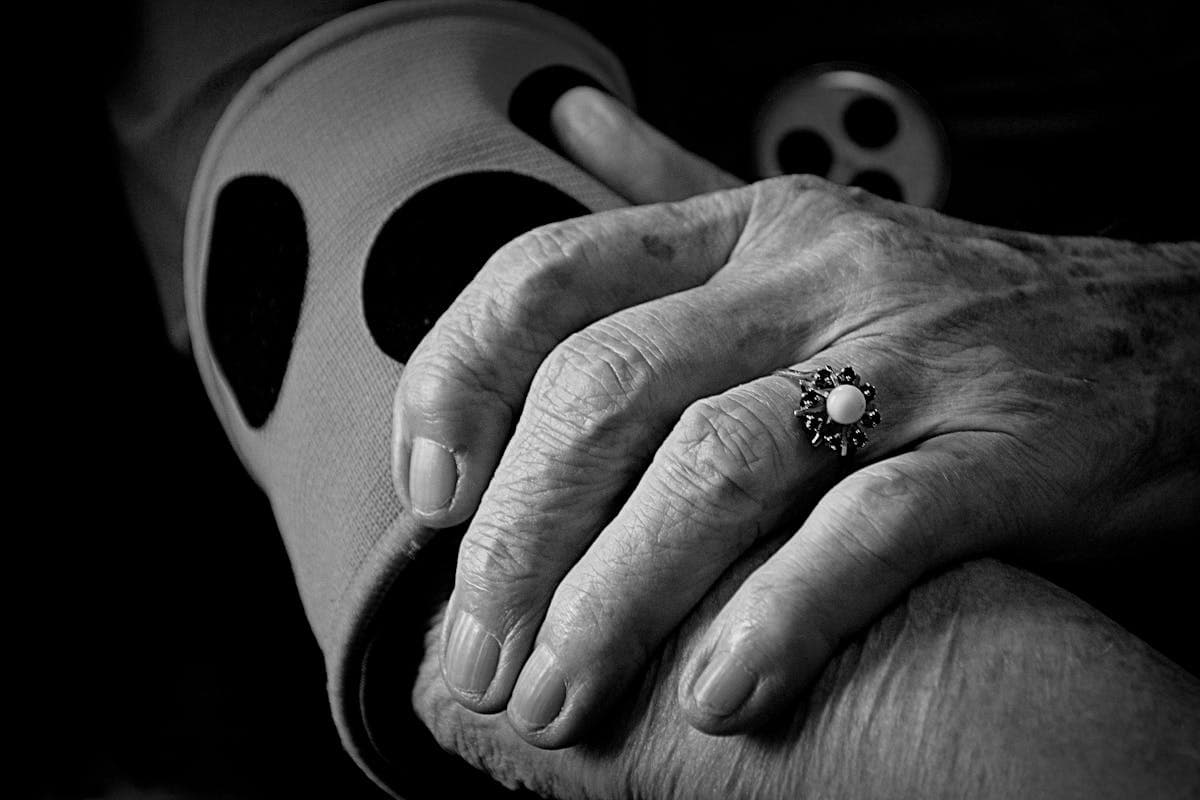
Shilajit for Arthritis and Joint Pain: What the Evidence Says
Joint pain is one of the most common reasons people search for shilajit, and the answer is more interesting than either the marketing or the skeptics tell you. The mechanistic case is real, the human evidence is thin, and the stack matters more than the resin itself. Here is the honest version.
What the research actually shows
Most of the joint-and-inflammation evidence on shilajit comes from preclinical work, meaning rodent models and cell cultures. That is not nothing. It tells you what to expect mechanistically. It is also not the same thing as a randomized human osteoarthritis trial, which does not yet exist at scale.
The most cited line of work is from Stancheva and colleagues (Phytotherapy Research, 2003), showing that shilajit reduces TNF-α and IL-6 in inflammation models. These are the same cytokines elevated in rheumatoid arthritis flares and chronic low-grade inflammation. Subsequent work by Acharya, Bhattacharyya, and Ghosal traced the effect to humic acid and dibenzo-α-pyrones (DBPs), the same compounds that drive shilajit's mitochondrial activity. See our fulvic acid in shilajit breakdown for the underlying chemistry.
Velmurugan's 2012 muscle-recovery work in rodents showed shilajit preserved hydroxyproline (a collagen turnover marker) under exercise stress. That is consistent with connective-tissue support, which is the bridge between the lab data and what people actually feel in stiff knees.
Surapaneni 2014, a small human pilot in 21 active adults at 500 mg/day for 8 weeks, found reduced fatigue markers and improved hydroxyproline ratios. Promising, but n=21 is a hint, not proof.
Mechanism: where shilajit could help joints
| Pathway | What shilajit does | Joint relevance |
|---|---|---|
| TNF-α / IL-6 modulation | Reduces in preclinical models | Lower chronic inflammation in OA and RA |
| Mitochondrial protection | Preserves CoQ10, ATP under stress | Cartilage cells (chondrocytes) are mitochondria-dependent |
| Collagen turnover | Hydroxyproline support | Tendon, ligament, and cartilage matrix |
| Mineral cofactors | Selenium, zinc, magnesium | Cofactors for antioxidant enzymes (SOD, GPx) in synovial tissue |
| Iron repletion | Bioavailable iron | Anemia of chronic inflammation, common in RA |
This is the case for plausibility. It is not a drug-strength anti-inflammatory, and it should not displace whatever your rheumatologist has prescribed.
Realistic protocol for joint support
A reasonable trial period is 8 to 12 weeks at the upper end of the standard dosing range, with adjuncts that have stronger joint-specific evidence.
Daily protocol:
- 500 mg purified resin in the morning, dissolved in warm (not boiling) water. A DBP-Verified resin like NATURAL SHILAJIT gives you transparency on the bioactive fraction.
- 10-15 g hydrolyzed collagen peptides daily (type I and III), with vitamin C 250 mg.
- 300-500 mg boswellia extract (AKBA-standardized) twice daily.
- 1 g omega-3 (EPA+DHA) twice daily.
For convenience, capsule formats like Himalayan Pure Extract Shilajit Capsules work for the shilajit component, though resin gives you the highest mg per dollar. If you prefer a premium resin like HealthForce Shilajit Supreme, use it at the same 500 mg target.
Read how to take shilajit for the morning ritual that maximizes absorption, and the dosage guide for body-weight scaling.
Where shilajit will not help
It will not undo cartilage already lost. Osteoarthritis is partly mechanical and partly degenerative; once the cartilage matrix is thinned, no supplement re-grows it. Shilajit may slow the inflammatory contribution to the slope, not reverse it.
It will not replace DMARDs or biologics in rheumatoid arthritis or other autoimmune joint disease. In fact, see the safety section below before starting, because shilajit's immune-modulatory profile interacts in unpredictable ways with autoimmune therapy.
It will not act fast. Anti-inflammatory effects build over weeks. If you need acute relief, NSAIDs and topical diclofenac are the conventional choice, ideally cleared by a clinician.
Stacking: what actually works for joints
Joint care is one of the few areas where stacking adds real benefit, because the mechanisms are non-overlapping.
| Adjunct | Evidence | Use case |
|---|---|---|
| Collagen peptides 10-15 g/day | Multiple RCTs (JCDR 2019, others) on joint pain and skin | Cartilage matrix support |
| Boswellia (AKBA) 300-500 mg 2x | RCTs in OA knee, comparable to NSAIDs at 8 weeks | 5-LOX inhibition, swelling |
| Curcumin (with piperine or phosphatidylcholine carrier) 500 mg 2x | Multiple OA RCTs | NF-κB inhibition |
| Omega-3 (EPA+DHA) 2-3 g/day | Strong RA evidence, modest OA | Resolving inflammation |
| Glucosamine sulfate 1500 mg | Mixed RCT data | Some respond; trial 12 weeks |
Shilajit fits as the recovery and mineral-support layer. Cross-reference shilajit vs collagen, which we wrote specifically because most readers ask which to pick, when the honest answer is both.
A Be Bodywise Shilajit + Ashwagandha combo is not specifically a joint product, but in older adults whose joint pain compounds with stress and poor sleep, ashwagandha's HPA-axis effects can lower the perception of chronic pain. See shilajit vs ashwagandha for the timing logic.
Safety considerations specific to joint patients
Joint pain populations skew older and more medicated. The interactions to flag:
- NSAIDs and shilajit. Both can affect GI mucosa. Take shilajit with food and consider a gastroprotective if you are on chronic NSAIDs.
- Methotrexate and biologics for RA. No published interaction data, which is itself a red flag. Talk to your rheumatologist before starting.
- Anticoagulants (warfarin, apixaban, rivaroxaban). Possible additive bleeding-risk effect. Avoid or monitor INR closely.
- Gout. Shilajit contains iron and protein-mineral complexes that may not suit active gout. Hold during a flare.
- Iron overload (hemochromatosis). Avoid entirely. The iron content is real.
- Pregnancy and lactation. Insufficient data. Default to no.
Heavy-metal contamination is the other risk. Unpurified samples from low-altitude or unverified sources can carry lead, arsenic, mercury, and cadmium above safety thresholds. Read the lab certification and COAs and the safety guide posts before any purchase. Genuine purified Pakistani-Himalayan shilajit and Authentic Siberian Altai shilajit are two regions with cleaner geological profiles, but the brand and the COA still matter more than the country on the label.
Realistic expectations by week
| Week | What to track | What is normal |
|---|---|---|
| 1-2 | Tolerance, GI | Mild loose stools possible; resolves |
| 3-4 | Subjective stiffness on waking | Often the first thing to shift |
| 5-8 | Pain on use, range of motion | Gradual softening of chronic ache |
| 9-12 | Reassess | If no shift, shilajit is not the bottleneck. Audit sleep, weight, and movement. |
A pain diary scored 0-10 each morning is unsexy but the most useful thing you can do. Memory of pain is unreliable; the diary tells the truth.
When to stop and see a clinician
- New joint swelling, redness, or warmth.
- Joint pain accompanied by fever or rash.
- Morning stiffness lasting more than an hour.
- Pain that wakes you at night.
- A single hot, swollen joint (rule out septic arthritis or gout).
These are clinical pictures, not supplement problems. Address them first.
Bottom line
Shilajit has a plausible, mechanism-based case for chronic joint pain support, with thin but consistent preclinical evidence and a small human pilot. It is not a substitute for collagen, omega-3, boswellia, or prescribed therapy in inflammatory arthritis. It is a sensible mineral-and-mitochondrial layer in a real joint stack, when the resin is verified and the dosing is steady at 500 mg/day for 8 to 12 weeks.
If you have not read the complete benefits guide, pure shilajit authentication breakdown, or why shilajit isn't working, do that next. Most "shilajit failures" are dose, source, or expectation problems, not mechanism failures.
Medically Reviewed Content
This article has been written and reviewed by Paula Kessler, a certified nutritionist and Ayurvedic wellness expert with over 15 years of experience in natural medicine. All information is based on peer-reviewed scientific research, traditional medical texts, and clinical evidence.
Our content follows strict editorial guidelines and is regularly updated to reflect the latest research. We maintain the highest standards of accuracy and transparency in all health information we publish.
Ready to Experience Pure Shilajit?
Check out our recommended products and start your wellness journey today.
View Recommended ProductsRelated Articles

Shilajit Glossary A to Z: Every Term You'll See on Labels
Every term you'll meet shopping for shilajit, defined in plain language with the practical context that matters when you read labels and COAs.
Shilajit Vitamins and Nutrition: An Honest Correction of a Popular Myth
Shilajit is mineral-rich and fulvic-rich, not vitamin-rich. An honest read of the marketing claims, the real chemistry, and how to pair shilajit with a B-complex if you want full coverage.
Shilajit for Type 2 Diabetes: Adjunct Use, Real Risks, Honest Evidence
Shilajit, fulvic acid, chromium, and magnesium effects on insulin sensitivity. Drug interactions with metformin and sulfonylureas. Adjunct, not replacement.