
Shilajit Himalaya: The Region, the Brand, and the 7-Test Buying Checklist

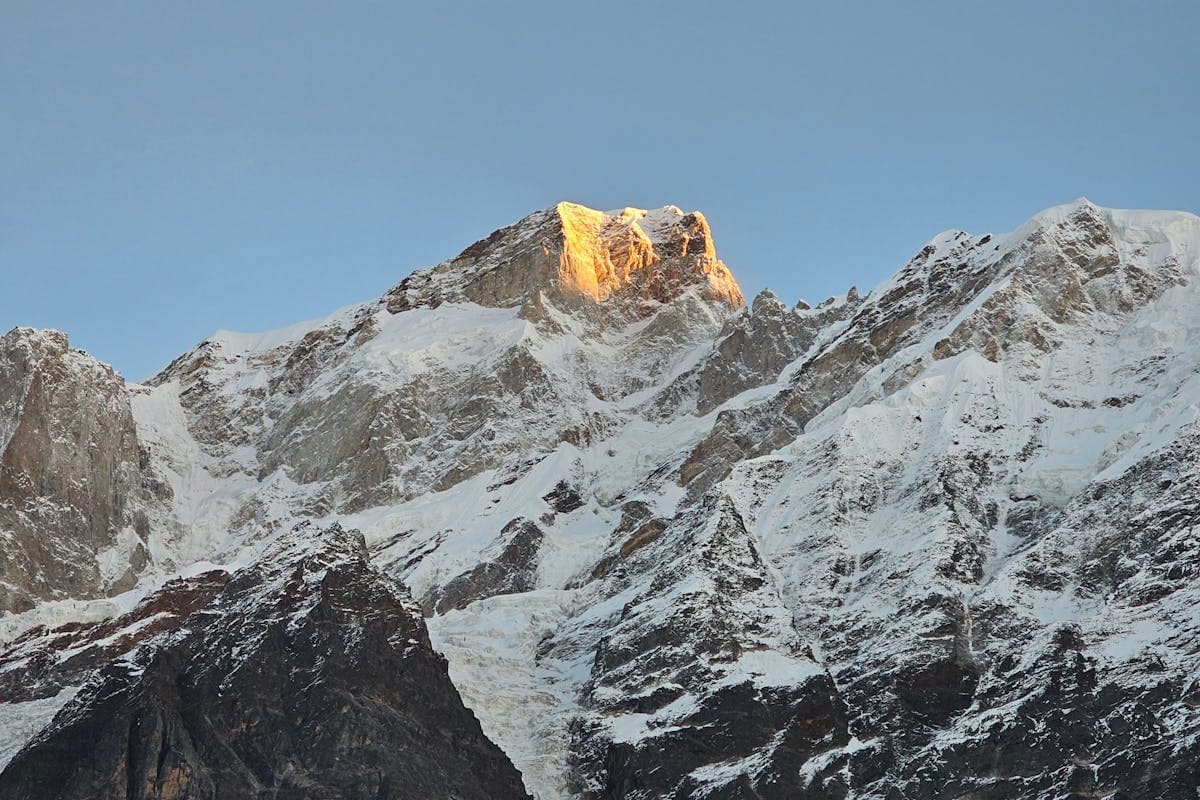
"Shilajit Himalaya" carries two meanings that get tangled in search results. The first is geographic: shilajit harvested from the Himalayan mountain range, often the marketing default for premium pricing. The second is a brand: Himalaya Wellness Company, the Bangalore-based Ayurvedic firm that sells a Himalaya Pure Herbs Shilajit capsule line. The two are unrelated. This guide separates them, then gives you a seven-test checklist for verifying any "from the Himalaya" claim before you pay premium.
Region vs Brand: Quick Disambiguation
The Himalayan region spans roughly 2,400 km across Pakistan (Gilgit-Baltistan, Hunza), India (Ladakh, Himachal Pradesh, Uttarakhand, Sikkim), Nepal, Bhutan, and Tibet. Shilajit forms in this range above 10,000 ft and traditionally is collected at 14,000 to 18,000 ft.
Himalaya Wellness Company is a 90-year-old Indian Ayurvedic manufacturer whose shilajit SKUs (Himalaya Pure Herbs Shilajit, Himalaya Wellness Shilajit) are typically capsule-format extracts standardized for export markets. Their product source rock can be Himalayan or other Indian ranges; their label refers to the brand name, not always the source region.
If you want the geological pedigree, look for source disclosure on the COA, not for the word "Himalaya" on the front of the box. If you want the Himalaya Wellness product specifically, search by the SKU and confirm the seller is authorized.
How Himalayan Shilajit Forms (Briefly)
The Indian and Eurasian plates collided roughly 50 million years ago, lifting marine sediments to extreme altitude. Plant matter trapped in fissures decomposed under microbial action over thousands of years and combined with mineral-rich rock leachate. In summer, low-melting fractions ooze from cracks in the rock. The Carbonates and Evaporites 2012 paper on shilajit mineralogy gives the geochemical detail; for the bioactive chemistry, Ghosal's series in the Journal of Ethnopharmacology covers fulvic acid and dibenzo-alpha-pyrones as the marker compounds.
Higher altitude correlates with denser fulvic-acid content in field surveys, which is the working rationale for the 14,000 to 18,000 ft preference. Below 10,000 ft, the material may be a related humic substance but typically lacks the DBP signature.
Why "Himalayan" Sourcing Is a Premium Claim
A representative quality-by-altitude breakdown from third-party COAs published by mid-tier brands during 2024 and 2025:
| Altitude band | Typical fulvic acid (whole resin, ISO 19822) | DBP markers | Lead range |
|---|---|---|---|
| 16,000 to 18,000 ft (Ladakh, Hunza) | 18 to 24 percent | listed and quantified | under 0.3 ppm |
| 14,000 to 16,000 ft (Himachal, Gilgit) | 14 to 19 percent | sometimes listed | under 0.5 ppm |
| 10,000 to 14,000 ft (lower foothills) | 8 to 14 percent | rarely listed | under 1.0 ppm |
| Below 10,000 ft | under 8 percent | absent | varies |
These bands are typical, not absolute. Source rock chemistry varies even within a single mountain pass.
PakShilajit Himalayan Shilajit Purified and Authentic Genuine Himalayan SHILAJIT sit in the upper-mid tier with explicit altitude language; Pure Himalayan Organic Resin Shilajit and the Himalayan Organic Shilajit Resin Extract publish batch-level testing.
The 7-Test Buying Checklist
For any product claiming "Himalayan" sourcing:
- Country and region disclosure. "Himalaya" alone is geography, not provenance. You want Gilgit-Baltistan, Hunza, Ladakh, Bhutan, or a named district.
- Altitude on the label or COA. Above 10,000 ft is the credibility floor; 14,000 to 18,000 ft is the premium claim.
- Fulvic-acid percentage with the test method named (ISO 19822, AOAC, or gravimetric). A bare percentage without method is unverifiable.
- Heavy metals tested on four metals: lead under 0.5 ppm, mercury under 0.1, arsenic under 1.0, cadmium under 0.3.
- Microbial counts on the COA: total aerobic plate count, yeast and mold, E. coli, Salmonella.
- Batch-specific lot number you can match to the COA. Generic brand certificates that cover all SKUs are insufficient.
- Solubility in 50 to 60 C water. Authentic resin from a high-altitude source dissolves into deep amber within five minutes with minimal sediment. Persistent grit indicates ash or clay adulterants.
A product that passes seven of seven and discloses sourcing region honestly is worth the premium. A product that passes three of seven gets the budget price. Anything below three is a marketing label.
For deeper authentication see at-home quality tests, and for COA reading specifically lab certification and COAs.
Region-by-Region Quality Notes
Pakistan (Gilgit-Baltistan, Hunza). Some of the highest altitude commercially harvested shilajit. Increasing presence in Western markets through Karakoram-area cooperatives. Quality varies; verify COA. PakShilajit Himalayan Shilajit Purified is a representative SKU.
India (Ladakh, Himachal, Uttarakhand). The largest commercial supply, the widest quality range. Ladakh sources can match Pakistani altitudes; Uttarakhand and Himachal sources sit lower. Indian distribution is mature, which is why most Western "Himalayan" labels trace here.
Nepal (Dolpa, Mustang, Manang). Pristine collection areas, smaller volume, traditional harvesting. Less common in U.S. retail; quality is generally high when you find it.
Bhutan. Limited commercial export. Quality reputation is high; pricing reflects scarcity.
Tibet. Export restrictions limit Western availability. The plateau altitude supports good source material.
Altai (Russia, Mongolia). Not Himalayan, but worth naming because it is the second tier most often confused with Himalayan in marketing. Different mineral profile (more iron), comparable bioactivity. The Authentic Siberian Altai Golden Mountains Shilajit is a representative SKU. For the broader Australian and regional buying picture see buying shilajit in Australia.
Caucasus. Lower altitude, different geology, generally lower fulvic-acid content. Use as a budget option, not as a premium claim.
Himalaya Wellness (the Brand)
Himalaya Wellness produces capsule-format shilajit through their Pure Herbs and Wellness lines. Typical specs: 250 mg of shilajit extract per capsule, dosed at one to two capsules twice daily. The brand operates under Indian AYUSH licensing and exports under WHO-GMP certification. Compared to single-ingredient resin, the capsule trades dose flexibility for portability and removes the need to handle resin.
If you want the brand specifically, buy from authorized retailers (Himalaya Wellness Store on Amazon, the brand's direct site, or major Indian pharmacy chains). Counterfeits exist; verify the seal and batch code.
If you want maximum shilajit per dose, a pure resin gives you more control. See Herbs Mill Himalayan Shilajit Essential, BetterAlt Himalayan, BeepWell Resin, or Authentic Genuine Himalayan SHILAJIT.
Pricing You Should Expect
Realistic 30 g jar pricing for verified Himalayan-region resin in 2024 to 2025:
| Tier | Price (USD) | What you should get |
|---|---|---|
| Budget | 18 to 30 | basic purification, generic COA |
| Working | 30 to 45 | batch COA, two-metal test, region named |
| Premium | 45 to 80 | batch COA, four-metal test, altitude named, DBP markers |
| Ultra-premium | 80 to 130 | full ISO 17025 panel, named cooperative, low-temp purification |
Below the budget floor and the product is almost certainly not from a Himalayan high-altitude source. Above the ultra-premium ceiling and you are paying for branding, not chemistry. The full pricing breakdown lives at the price guide.
Combinations Worth Considering
Shilajit and ashwagandha (Withania somnifera) is the most studied stacking combination, with separate human trials supporting each ingredient. The combo is sold in the Be Bodywise Shilajit + Ashwagandha format. For broader stacking logic, see the shilajit and ashwagandha stack.
For format alternatives, the Pure Himalayan Shilajit Resin Pack of 4 handles bulk supply, and the 50 g Maximum Strength jar targets long-term users. The Himalayan Organic Resin alt SKU and Pure Himalayan Resin metabolism formula sit in the working tier.
Storage
Cool, dry, sealed, away from sunlight. Resin softens above 80 F (cosmetic, not damaging) and hardens below 50 F (use a warm spoon to scoop). Sealed shelf life is 2 to 3 years; opened, 12 to 18 months for full potency. Replace if the smell turns sour or chemical.
Safety Caveats
Pregnancy and breastfeeding: avoid; insufficient data. Hemochromatosis or iron-overload disorders: avoid; humic substances enhance iron uptake. Anticoagulants, oral hypoglycemics, lithium, and immunosuppressants: discuss with your prescriber. Heavy metal contamination is the underlying safety concern with unverified Himalayan claims; the seven-test checklist above is what protects you. Full safety review at shilajit side effects.
Frequently Asked Questions
Is "Himalayan" the same as "premium"? No. It is geography. Premium is a quality tier defined by COA, altitude, and processing.
Why does the same brand sometimes test differently across batches? Wild-harvested material varies by collection site, season, and rock seam. Real testing programs publish batch-by-batch numbers; static brand-level claims are a flag.
Can I trust a Himalayan claim without a COA? No. Treat it as marketing copy until verified.
Does altitude really matter or is it folklore? Both. Field data supports the correlation; folklore amplifies it. The chemistry above is consistent with the altitude pattern, but a low-altitude source from a careful processor can outperform a careless high-altitude source.
What about the Himalaya Wellness Pure Herbs Shilajit? Legitimate brand, capsule format, lower per-dose shilajit than a 500 mg resin scoop, convenient, traceable through authorized retailers. Buy it for the convenience, not as a substitute for a verified resin.
For broader background, what shilajit actually is covers the substance, the complete benefits guide covers the benefit claims with citations, and best shilajit brands handles brand selection.
Bottom Line
"Himalaya" is geography on one side and a brand on the other. Both are real; neither is a quality guarantee. The seven-test checklist above is what separates a verified Himalayan resin from a marketing claim. Use it before you pay premium, every time.
Medically Reviewed Content
This article has been written and reviewed by Paula Kessler, a certified nutritionist and Ayurvedic wellness expert with over 15 years of experience in natural medicine. All information is based on peer-reviewed scientific research, traditional medical texts, and clinical evidence.
Our content follows strict editorial guidelines and is regularly updated to reflect the latest research. We maintain the highest standards of accuracy and transparency in all health information we publish.
Ready to Experience Pure Shilajit?
Check out our recommended products and start your wellness journey today.
View Recommended ProductsRelated Articles
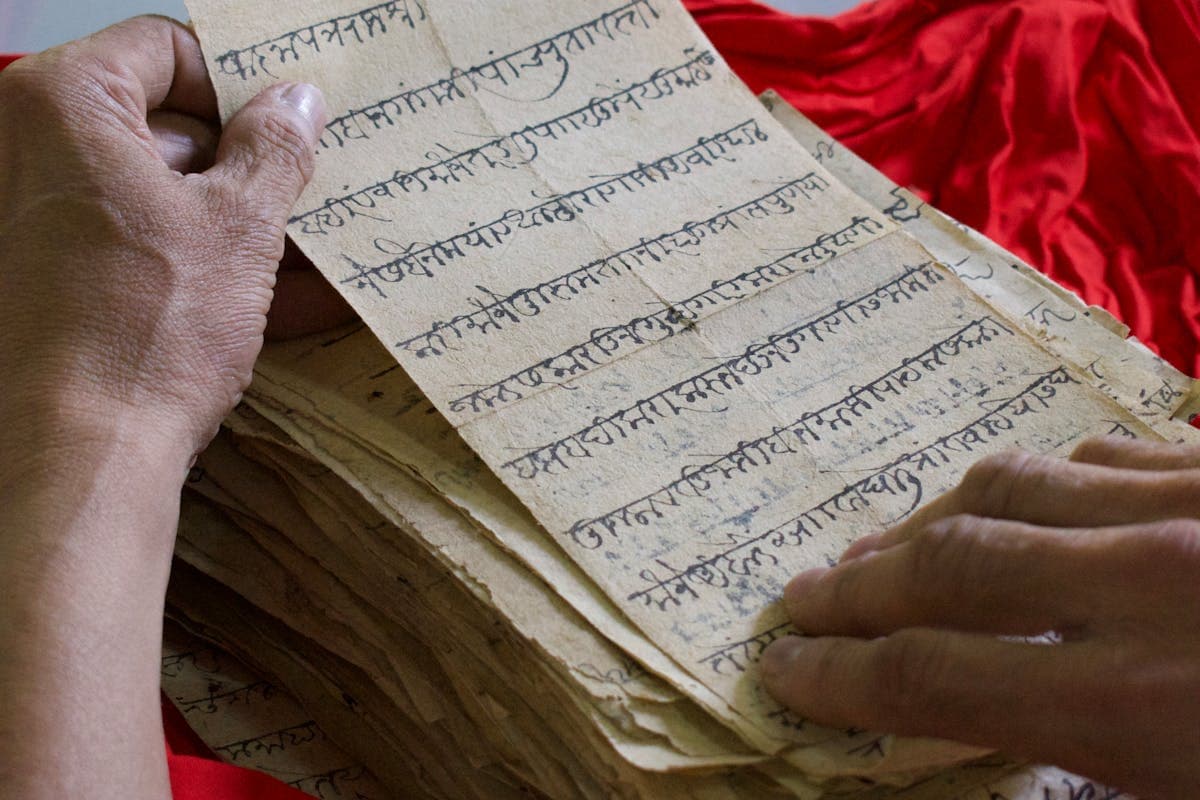
Shilajit Meaning: Sanskrit Etymology, Charaka and Sushruta References, and Geological Origin
What shilajit means in Sanskrit (rock-juice, conqueror of mountains), where the word appears in Charaka Samhita and Sushruta Samhita, and how the geology backs the etymology.
Shilajit Extract vs Resin: 4:1, 10:1, and What Standardization Means
What shilajit extract actually is, how 4:1 and 10:1 ratios compress dosing, and a clear comparison with raw resin including bioavailability and cost.
What Does Shilajit Do? Mechanism Plus Eight Evidence-Backed Effects
What shilajit actually does in the body, mechanism by mechanism, with the eight effects that have real human evidence behind them. Doses, timelines, and what to skip.