
Shilajit and Pregnancy: A Safety Pillar Review

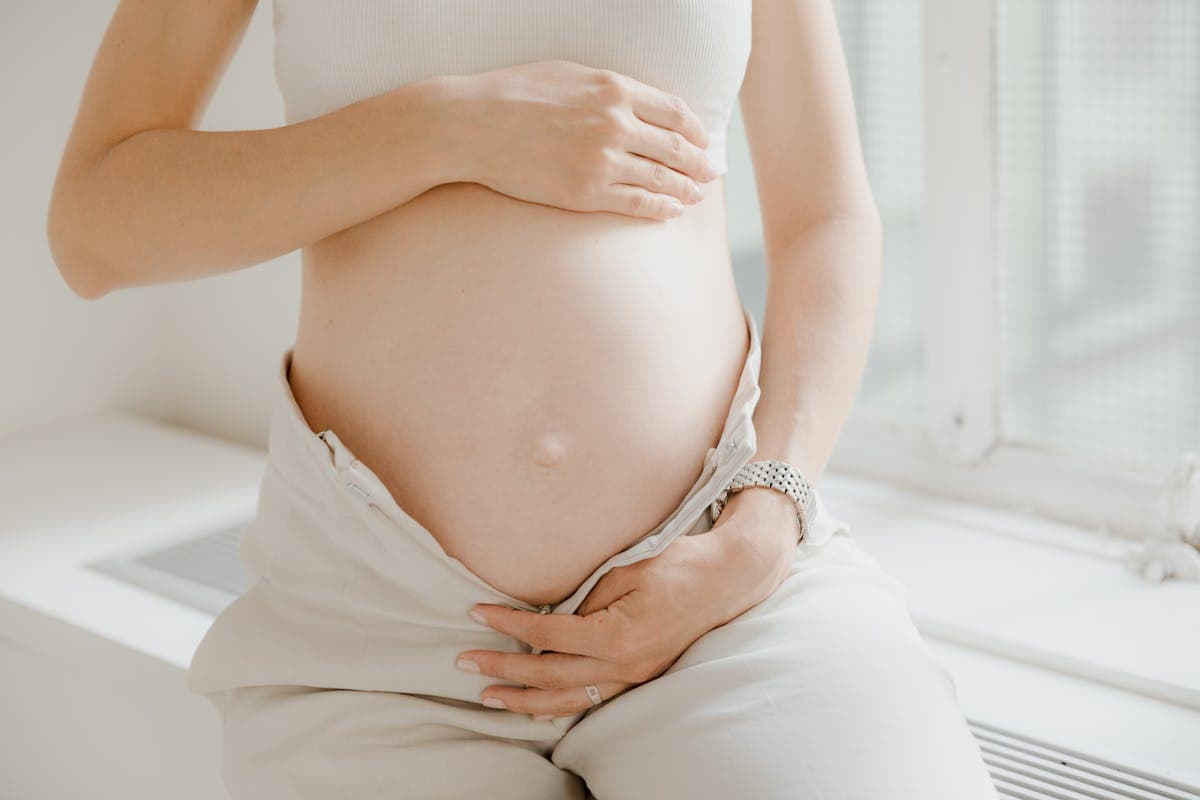
Shilajit and Pregnancy: A Safety Pillar Review
This article exists because the question gets asked daily and the internet's answer is mostly bad. The default position, supported by every line of evidence available, is that shilajit should not be used during pregnancy or lactation without direct supervision by an OB-GYN or maternal-fetal medicine physician. There is no human safety trial in pregnancy. Heavy metal contamination is the single highest stakes risk. Iron content can interact with prenatal supplementation. Traditional Ayurvedic texts are not unanimous and were written for a context where contamination risk was different.
This is the safety pillar. It is longer and more cautious than the rest of the site on purpose. If you are pregnant, trying to conceive, or breastfeeding, read it fully before deciding.
For broader context, see the safety guide, shilajit side effects, and pure shilajit.
The Short Answer
Do not use shilajit during pregnancy unless your OB-GYN explicitly approves it after reviewing the certificate of analysis of the specific product you intend to take.
Do not start shilajit while breastfeeding without the same medical sign-off.
If you took shilajit before knowing you were pregnant, do not panic, stop now, and tell your prenatal provider at your next visit.
Those three sentences are the practical bottom of this article. The rest explains why, in case "because I said so" is not enough for you, which it should not be.
Why the Caution Is Higher in Pregnancy Than Anywhere Else
Pregnancy alters every system that supplements interact with. The placenta is a partial barrier, not a full one. Many heavy metals cross. Iron handling shifts dramatically across the three trimesters. Hepatic metabolism rates change. Plasma volume expands. Fetal organogenesis happens in the first trimester before most people even know they are pregnant. The standard adult safety threshold for any contaminant should not be applied unmodified to a fetus.
There is no published randomized controlled trial of shilajit in pregnant humans. There is no good observational data. Manufacturer "pregnancy safe" claims are unsupported.
Reason 1: Heavy Metal Contamination
This is the biggest concrete risk and the easiest one to explain.
Unpurified or poorly purified shilajit contains measurable amounts of lead, arsenic, mercury, and cadmium. The Carbonates and Evaporites 2012 review of Himalayan shilajit deposits documented elemental profiles that vary widely by source rock and altitude. Pre-purification, lead concentrations of 5 to 30 ppm are not unusual. Standard cleaning steps reduce these dramatically, but only if the manufacturer actually does them and tests the finished product.
The FDA action level for lead in candy intended for children is 0.1 ppm. The IPA (International Pharmacopoeia) limit for lead in herbal products is 10 ppm. Many independently tested shilajit products on Amazon have come back at 1 to 5 ppm lead. That is fine for a healthy adult taking 250 mg per day. It is not fine for a developing fetus.
Maternal blood lead crosses the placenta freely. Lead during pregnancy is associated with reduced birth weight, preterm birth, and long-term neurodevelopmental impacts measurable into childhood. There is no known safe threshold for fetal lead exposure. The CDC reference value for adult blood lead is 3.5 mcg/dL; for pregnancy and pediatric care, the working assumption is that lower is always better.
Mercury during pregnancy is the basis for the entire fish consumption advisory framework. Methylmercury crosses the placenta and concentrates in fetal brain.
Arsenic during pregnancy is associated with fetal growth restriction and immune effects in offspring.
Cadmium during pregnancy interferes with placental zinc transport.
The collective rule is that any avoidable heavy-metal exposure is a bad trade in pregnancy. Shilajit, even high-quality shilajit, is an avoidable exposure. The question is not whether the product passes adult safety thresholds; it is whether the marginal exposure is justified by the benefit. In pregnancy, with no proven benefit, the answer is no.
Reason 2: Iron Content and Iron Supplementation Interactions
Genuine shilajit is rich in iron, in the bioavailable fulvic-chaperoned form. That is one of the reasons it is a useful tonic in iron-deficient adults.
Pregnancy is a state of intentionally managed iron handling. Most prenatal vitamins contain 27 to 30 mg of elemental iron. If you are anemic in pregnancy, you may be on additional iron at 60 to 100 mg per day. Adding shilajit on top of that is medically questionable.
Two specific problems. First, iron overload symptoms (fatigue, joint pain, abdominal pain) overlap with normal pregnancy symptoms and become harder to distinguish. Second, supplemental iron in iron-replete pregnant women can increase oxidative stress markers and is associated in some studies with adverse outcomes. The TARGET trial and several recent reviews have moved toward more individualized iron dosing in pregnancy specifically because more is not better.
Adding an iron-rich tonic on top of prenatal iron without measuring ferritin first is not a good plan.
Reason 3: Traditional Ayurvedic Use Is Not a Free Pass
I see "Ayurveda has used shilajit for thousands of years" cited as if it settles the question. It does not, and traditional practitioners would be the first to say so.
Ayurvedic texts including Charaka Samhita and Sushruta Samhita describe shilajit (silajatu) as a powerful rasayana with multiple categorical contraindications. Garbhini (pregnant women) appear in some texts under restricted-use categories rather than approved-use. Shodhana (purification) is described as essential, with specific protocols requiring multiple plant decoctions and many cycles. Modern industrial purification often does not match these protocols. Postpartum use in some Ayurvedic traditions is allowed selectively, by a vaidya, in tightly controlled doses, after assessment.
The "thousands of years" framing also obscures that the population taking shilajit historically was not exposed to modern contamination from mining, road runoff, and industrial fallout that now reaches even high-altitude collection sites. The substance Charaka described is not necessarily the substance in a 2026 jar.
Bottom line: tradition does not endorse pregnancy use as routine, and tradition predates modern contamination exposures. Both factors push the same direction.
Reason 4: Hormonal Effects Are Real and Unstudied in Pregnancy
The Pandit et al. 2015 Andrologia trial (n=96, 250 mg twice daily, 90 days, +20% testosterone in infertile men) is the most-cited human shilajit study. The hormonal effects in non-pregnant adults are real.
In pregnancy, testosterone, DHEA, and related androgen metabolism are tightly regulated and shift across trimesters. Maternal androgen elevations, even modest ones, are not benign. The 2010 Andrologia oligospermia trial (n=35) and Ghosal's broader hormonal characterization in JEP demonstrate that shilajit modulates the HPG axis. There are no studies of HPG-axis modulators in pregnancy that show this is safe. Default to assuming it is not.
This applies double if you are pregnant with a female fetus. Maternal androgen exposure during sex differentiation windows is a known risk factor for adverse outcomes.
Reason 5: HPA Axis Modulation in Pregnancy Is Complicated
Pregnancy induces a programmed shift in HPA axis tone. Cortisol is elevated by design. The system is set up that way for fetal lung maturation, immune tolerance, and other necessary functions.
A supplement that modulates HPA tone in non-pregnant adults (which shilajit appears to do based on the Phytomedicine 2012 rodent restraint data and human secondary outcomes) is doing something in pregnancy that is not necessarily "stress relief." It might be interfering with a necessary physiologic adaptation. We do not know.
The conservative read: do not use HPA modulators in pregnancy unless prescribed.
Risk-Stratified Decision Matrix
This is the most concrete tool I can offer. It is not a substitute for talking to your OB-GYN. The default for every row is "do not use without medical supervision."
| Scenario | Recommendation | Why |
|---|---|---|
| Trying to conceive, both partners | Discuss with provider; male partner may use, female partner stop at confirmed pregnancy | Pandit 2015 fertility data is in men; female effects in pregnancy are unstudied |
| First trimester, took before knowing | Stop now, inform OB-GYN, no need to panic | Acute exposure unlikely to cause harm; future doses are avoidable |
| Any trimester, contemplating starting | Do not start | No benefit established, multiple plausible risks |
| Iron-deficient pregnancy | Do not use as iron source; use prescribed iron protocol | Need quantified, controlled iron dosing |
| Postpartum, not breastfeeding | Discuss with provider, often acceptable after 6 weeks | Traditional precedent; contamination risk still requires sourcing care |
| Postpartum, breastfeeding | Do not start without lactation-aware provider sign-off | Heavy metals transfer to breast milk; insufficient data |
| Pre-pregnancy, optimizing fertility (female) | Discuss with provider; consider pausing 30 days before TTC | Conservative washout |
| Pre-pregnancy, optimizing fertility (male) | Likely benefit per Pandit 2015; continue with COA-verified product | Most defensible use case in this category |
| Pregnancy with iron overload, hemochromatosis | Strict avoidance | Additional iron dangerous |
| High-risk pregnancy (preeclampsia, IUGR, etc.) | Strict avoidance | Risk-benefit cannot be defended |
What to Do If You Already Took It
If you took shilajit one or several times before knowing you were pregnant, this is not an emergency. Acute exposure to a clean, COA-verified product at standard doses is unlikely to have caused harm. Stop further dosing. Tell your prenatal care provider at your next appointment. Bring the product, the brand name, and ideally the certificate of analysis if you have it.
If you took an unverified Amazon product for an extended period, mention specifically that you do not know the heavy metal content. Your provider may consider a maternal blood lead level if there are other risk factors.
Do not hide this from your provider. The risk of an avoidable exposure being missed is higher than the risk of being judged.
Lactation Considerations
Many heavy metals partition into breast milk. Lead transfer is well-characterized. Mercury transfers. Cadmium transfers, though less efficiently. The infant's developing nervous system is the same vulnerable target as in utero, just shifted in time.
Beyond contamination, the broader hormonal and HPA effects in lactating mothers have not been studied. Prolactin axis interactions are unknown. Effects on milk supply are unknown.
If a lactation consultant or physician with herbal medicine training is involved and recommends shilajit for a specific indication, that is a different conversation. As a self-directed supplement, do not use it while breastfeeding.
For the broader female physiology context, see shilajit benefits for women.
What Quality Looks Like If a Provider Approves Postpartum Use
If your OB-GYN clears shilajit for postpartum non-breastfeeding use, the quality bar is the same one I use for everyone else but applied more strictly.
- Lead under 0.5 ppm by ICP-MS, ideally under 0.2 ppm
- Arsenic under 1 ppm, ideally under 0.5 ppm
- Mercury under 0.1 ppm
- Cadmium under 0.3 ppm
- Fulvic acid 15 to 22% by Lamar method (anything over 30% suggests humic-acid-spiked or non-shilajit)
- Microbial counts within USP spec
- Manufacturer must publish a recent COA matched to the lot you receive
Brands with COAs I have personally reviewed and that pass these thresholds include Herbs Mill, PakShilajit, Pure Himalayan Organic, Himalayan Organic Extract, SHILAJOY, Essencraft, Authentic Genuine, and Himalayan Pure Extract Caps. Capsule format from BetterAlt is convenient. The full ranked list lives at best shilajit brands.
For deeper testing protocol, see at-home quality tests and fulvic acid in shilajit.
What the Marketing Often Says, and What Is Wrong With It
"Shilajit boosts energy in pregnancy, helping with fatigue."
What is wrong: pregnancy fatigue has medical evaluation pathways (CBC, ferritin, TSH, sleep history). Energy supplements are not a first-line approach. Boosting energy via androgen-modulating, iron-rich, mineral-dense compounds is not the same as treating the cause.
"Shilajit is a natural prenatal vitamin."
What is wrong: it is not. Prenatal vitamins are formulated to specific evidence-based ratios with quantified folate, B12, iodine, iron, choline, and DHA. Shilajit's mineral profile is variable lot-to-lot, contains things you do not want (heavy metals at any level), and lacks things you do want (folate, B12 in active forms, iodine in measured amounts).
"Ayurveda has used shilajit for thousands of years in pregnancy."
What is wrong: see Reason 3. Ayurveda did not categorically approve it for pregnancy.
"My friend took it through her pregnancy and her baby is fine."
What is wrong: anecdote does not address population-level developmental risk, and most developmental impacts of heavy metal exposure are not visible in early childhood.
A Reasonable Postpartum Reintroduction Plan
Assuming clearance from your provider, you are at least 6 weeks postpartum, you are not breastfeeding (or you have lactation-aware sign-off), and you have a COA-verified product:
Week 1: 100 mg resin every other day at breakfast. Track energy, mood, sleep.
Week 2: 100 mg daily.
Week 3 to 4: 200 mg daily.
Week 5+: 250 mg daily, the standard adult dose.
If at any point you experience GI symptoms, headache, or unexplained fatigue, stop and reassess. Postpartum thyroid dysfunction, anemia, and depression are common and the symptoms can overlap with supplement effects.
Cross-references for related reading: shilajit for energy, shilajit for sleep, shilajit for anxiety and stress, the shilajit and ashwagandha stack, the dosage guide, how to take shilajit, and shilajit benefits for women.
A Final Note for the Pregnancy Reader
The supplement industry will tell you anything you want to hear. Internet forums will give you whatever answer you came in looking for. Your job in pregnancy is to make decisions you can defend in 20 years to a child asking what you took.
Shilajit during pregnancy is not a decision I would defend without a specific medical reason and OB-GYN supervision. It is a supplement, not a medication, with no proven pregnancy benefit, with multiple plausible risks (heavy metals top of the list), and with traditional precedent that does not actually endorse routine pregnancy use.
Wait. Take it after pregnancy and after breastfeeding, with a clean COA-verified product, at a measured dose, after talking to your provider. The benefits, whatever they are for you personally, will still be there in 12 months.
Medically Reviewed Content
This article has been written and reviewed by Paula Kessler, a certified nutritionist and Ayurvedic wellness expert with over 15 years of experience in natural medicine. All information is based on peer-reviewed scientific research, traditional medical texts, and clinical evidence.
Our content follows strict editorial guidelines and is regularly updated to reflect the latest research. We maintain the highest standards of accuracy and transparency in all health information we publish.
Ready to Experience Pure Shilajit?
Check out our recommended products and start your wellness journey today.
View Recommended ProductsRelated Articles
Is Shilajit Safe? The Honest Risk Profile and Who Should Avoid It
Heavy metals, iron overload, drug interactions, and pregnancy. The full safety picture on shilajit, with real studies and clean-brand criteria.
Shilajit Side Effects: Dose-Response, Real Risks & Drug Interactions
What shilajit side effects actually look like at clinical doses, the dose-response curve, drug interaction list (iron, thinners, diabetes meds, lithium), and who should not take it.
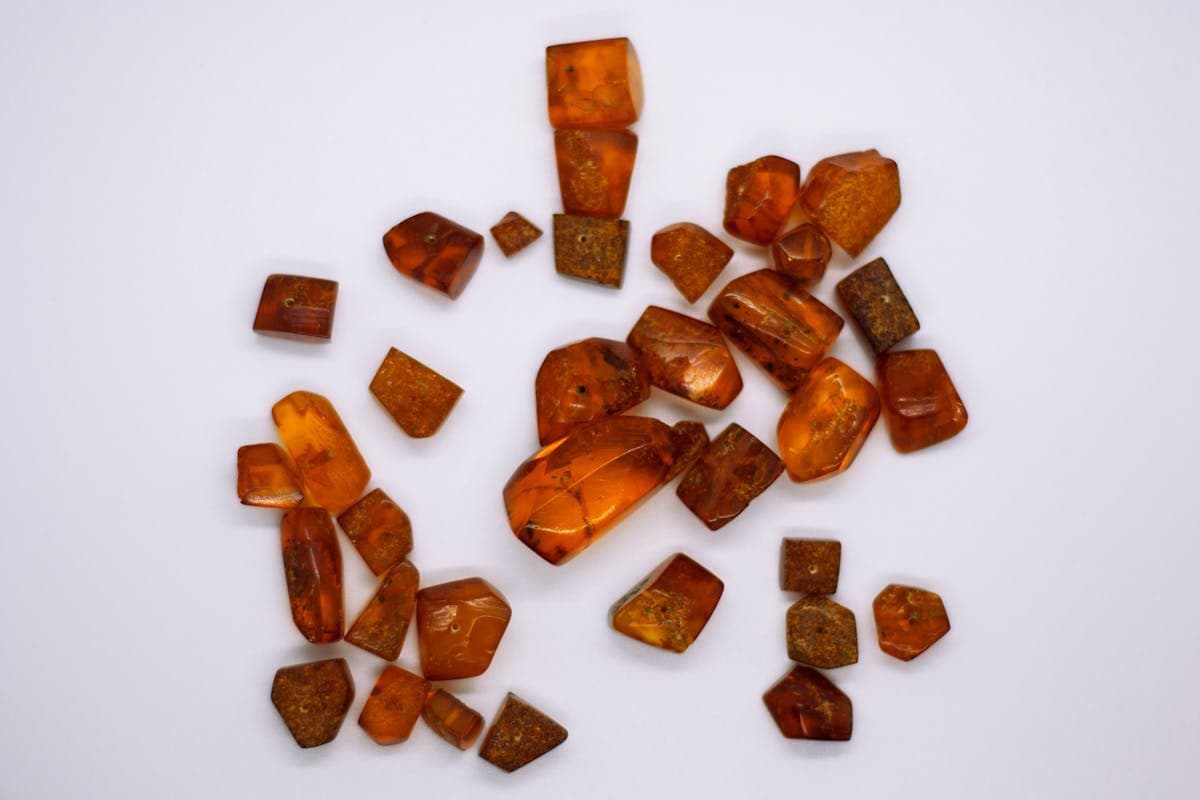
Pure Shilajit: How to Identify Authentic vs Fake Products
A practitioner's guide to verifying pure shilajit, with the seven home tests, the COA numbers that matter, and the price math that exposes fakes.