
Shilajit vs Maca Root: Mineral Resin Versus Cruciferous Root

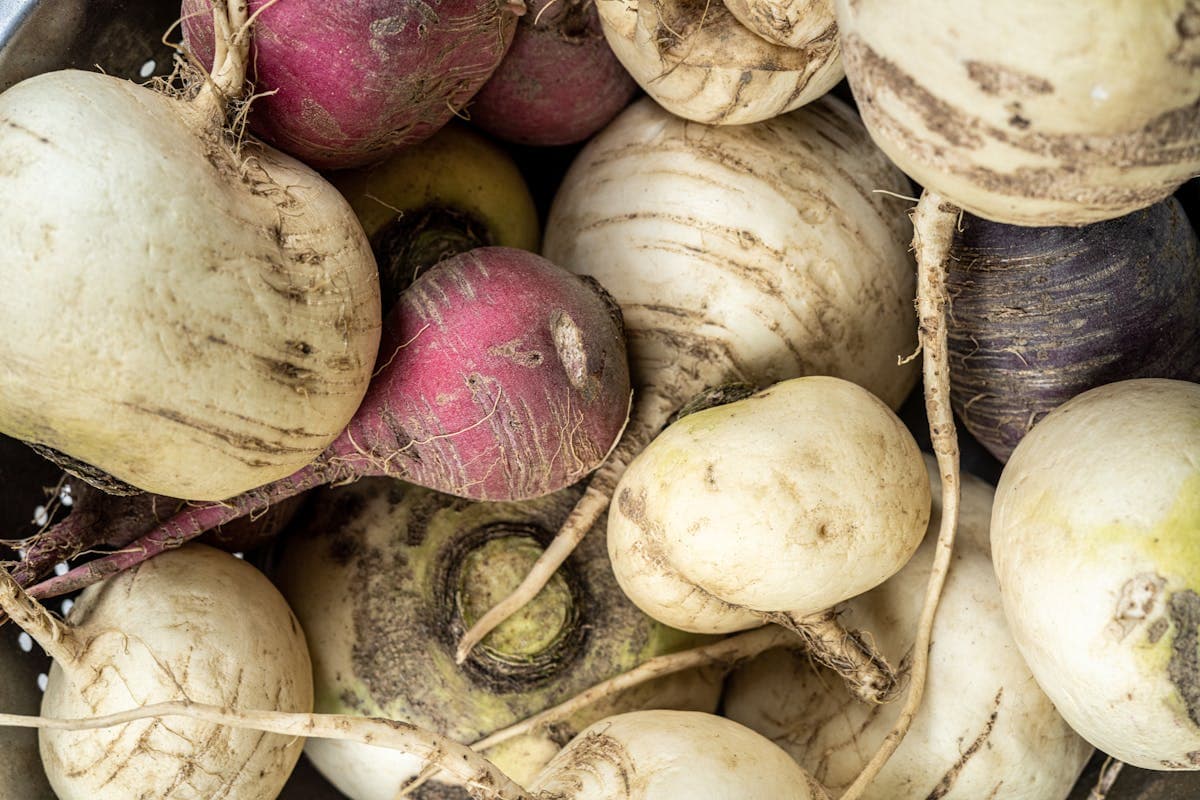
These two supplements get lumped under "adaptogens for energy" but they belong to different worlds. Shilajit is a mineral resin formed over centuries from compressed plant matter. Maca (Lepidium meyenii) is a cruciferous root vegetable, closer to a turnip than a herbal extract. Treating them as interchangeable misreads the chemistry.
This guide compares them on mechanism, evidence quality, dose, and the goals they actually serve well.
Head-to-Head Comparison Table
| Factor | Shilajit | Maca Root |
|---|---|---|
| Botanical/source | Mineral resin, Himalayan and Altai mountains | Lepidium meyenii, Andean root crop, Peru |
| Active compounds | Fulvic acid (50-80%), dibenzo-alpha-pyrones, ~85 trace minerals | Macamides, macaenes, glucosinolates, sterols |
| Mechanism | Mitochondrial support + mineral chaperone | Phytoestrogen-like signaling, endocrine modulation |
| Libido evidence | Indirect via testosterone (Andrologia 2015) | Direct (small Lima trials, n=12 in original Gonzales work) |
| Testosterone effect | +~20% in low-normal men, 90-day trial | No measurable effect in most trials |
| Working dose | 250-500 mg/day standardized resin | 1.5-3 g/day powder |
| Time to evaluate | 8-12 weeks | 6-12 weeks |
| Cost per month | $25-60 | $10-25 |
| Best form | Resin (60-80% fulvic acid) | Gelatinized powder, ideally black or red |
| Strongest evidence | Male fertility, fatigue, altitude adaptation | Sexual desire (both sexes), menopausal symptoms |
| Stack compatibility | Excellent with maca, ashwagandha, creatine | Excellent with shilajit, vitamin D |
| Contraindications | Pregnancy, hemochromatosis, gout flares | Hormone-sensitive cancers (caution), thyroid disease (some sources) |
| Quality risk | Heavy metals, fakes | Adulterated with cheaper roots, irradiated low-grade powder |
What Maca Actually Is
Lepidium meyenii is a cruciferous root cultivated above 4,000 meters in the Peruvian Andes. The root is harvested, sun-dried, and either ground to powder or further "gelatinized" (steamed and pressed) to break down starches and improve digestibility. There are three color phenotypes:
- Yellow maca: most common, generalist effects
- Red maca: associated with prostate-volume effects in animal data and some menopausal-symptom trials
- Black maca: associated with stronger libido and sperm-quality signals
The bioactive class that gets the most attention is the macamides, which are alkaloids unique to maca. Whether they cross the blood-brain barrier and act centrally is still under investigation.
Maca does not contain meaningful amounts of plant estrogens in the strict sense, but it appears to modulate the hypothalamic-pituitary-gonadal axis. Importantly, multiple human trials show maca does not change circulating testosterone, estradiol, or LH levels. The libido effect is independent of measurable hormonal change, which is unusual.
The original Gonzales studies in Lima (early 2000s, small n around 9-12 subjects per arm) established the libido signal in healthy men. A separate trial showed similar effects in postmenopausal women.
What Shilajit Is
A blackish-brown exudate from rocks at high elevation. Three components matter (full breakdown in what shilajit actually is):
- Fulvic acid as a mineral chaperone (Ghosal, Journal of Ethnopharmacology).
- Dibenzo-alpha-pyrones supporting mitochondrial respiration.
- ~85 trace minerals in ionic form.
The strongest hormonal evidence comes from Pandit et al Andrologia (2015), n=96, 250 mg twice daily for 90 days, showing approximately 20% rise in total testosterone. The 2010 oligospermia trial (n=35) showed sperm count up 60% over the same window.
Functionally, shilajit raises the bar on hormone production where maca leaves circulating hormones unchanged. They do different jobs.
Direct Comparison: Where Each Wins
Libido
This one surprises people. Maca has direct, replicated libido data without changing measured hormone levels. Shilajit raises testosterone and improves fertility markers. If your goal is desire alone, maca has the cleaner direct trial. If your goal is desire plus measurable hormone improvement, shilajit fits. Stacking is reasonable.
Energy
Different mechanisms. Shilajit operates on cellular ATP production. Maca operates more on perceived stamina and mood, possibly via central macamide activity. Shilajit users typically report effects within 2-4 weeks. Maca usually takes 6-8 weeks to feel obvious.
Male Fertility
Shilajit has stronger fertility-specific evidence (Andrologia 2010). Maca has some sperm-quality data, particularly black maca. For men actively trying to conceive, shilajit is the primary pick, supported by a urology workup.
Female Hormonal Support
Maca has more direct human evidence here, particularly in perimenopause and postmenopause for hot flashes and mood. Shilajit benefits women through iron repletion and general mineral support but is not specifically a perimenopausal intervention. Detail in shilajit benefits for women.
Athletic Performance
Maca has small endurance-trial signals in cyclists. Shilajit has altitude-adaptation evidence (DIPAS). Neither replaces creatine for raw strength. Reference shilajit vs creatine for the strength side.
Mineral Repletion
Shilajit only. Maca has reasonable nutritional value as a food but is not a concentrated mineral source.
Mood and Anxiety
Maca has more reported mood-related effects. For stress specifically, ashwagandha outperforms both. Pairing with shilajit is fine: see the shilajit and ashwagandha stack.
Cost Per Month
| Product | Approx monthly cost |
|---|---|
| Maca gelatinized powder, 3 g/day | $10-20 |
| Maca capsules, 1.5 g/day | $15-25 |
| Shilajit resin, 400 mg/day | $25-60 |
| Shilajit capsules, 500 mg/day | $20-40 |
Shilajit references readers reach for: PakShilajit purified, Kapiva endurance, BetterAlt Himalayan, SHILAJOY, DBP-verified, Siberian Altai, and plant-based formulation. Pricing context in the price guide.
The Stack Protocol
If you decide to run both:
| Time | Dose |
|---|---|
| Morning, fasted | 300-400 mg shilajit in warm water |
| Mid-morning with breakfast | 1.5-3 g maca powder in smoothie or oats |
| Optional second maca dose | with lunch on demanding training days |
Maca timing is forgiving. Shilajit benefits from consistency in the morning. Both improve with daily use over an 8-12 week window.
Sex-Specific Notes
Men under 35 with normal testosterone and active libido: maca alone is often enough. Shilajit if fertility is the focus.
Men 35-55 with low-normal testosterone: shilajit is the higher-yield pick. Maca optional.
Women perimenopausal: lead with maca. Shilajit if iron-deficient or fatigued. Avoid both during pregnancy.
Women trying to conceive: discuss with your physician first. Maca has some ambiguous animal data on fertility timing. Shilajit during conception attempts is generally avoided due to limited safety data.
For women-friendly shilajit formats, SHE-Lajit honeysticks and Be Bodywise with ashwagandha are practical entry points.
Side Effects and Safety
Maca: generally well-tolerated. Some users report jitters or insomnia at high doses (5+ g). Caution in hormone-sensitive conditions because the mechanism is incompletely understood. Goitrogenic concern at very high chronic doses if iodine-deficient (relevant if you also take large amounts of cruciferous vegetables).
Shilajit: GI upset on starting, contraindicated in pregnancy, breastfeeding, hemochromatosis, gout, and on anticoagulants without supervision. Stop two weeks before surgery. Full breakdown in shilajit side effects.
Quality Verification
Maca: gelatinized for digestibility, organic Peruvian source, third-party tested for cadmium (Andean soils can carry cadmium). Avoid generic "maca powder" with no provenance.
Shilajit: lab certificate, fulvic acid percentage, source disclosed, heavy-metal panel current. Filters in at-home quality tests, lab certification and COAs, sourcing standards, pure shilajit, and best shilajit brands. Premium options in this segment include HealthForce Supreme and Herbs Mill.
When to Pick Which (Decision Tree)
- Tight budget, mood and libido focus: maca first.
- Hormones, fatigue, fertility focus: shilajit first.
- Perimenopause: maca first, add shilajit if iron-deficient.
- Athletic performance and recovery: shilajit (and creatine).
- High-altitude trip planned: shilajit, beginning 3-5 days before ascent.
- Already on hormone-sensitive medication or hormone-replacement therapy: speak to a clinician before adding either.
Common Mistakes
- Buying raw maca powder and not gelatinizing or cooking it. Raw cruciferous starches give some users gas and reduce bioavailability.
- Quitting shilajit at week 3. The hormone trials ran 90 days. See why shilajit isn't working.
- Stacking high-dose maca with high-dose iodine sources without considering thyroid status.
- Choosing the wrong color of maca. Black for libido and sperm. Red for prostate and menopausal symptoms. Yellow as a generalist.
- Using gummy or low-potency shilajit and expecting trial-grade outcomes. Mechanism guidance in what shilajit does.
Bottom Line
Maca and shilajit answer different questions. Maca is a phytochemically active root that nudges sexual function and mood without measurable hormone change. Shilajit is a mineral resin that supports mitochondrial function and elevates testosterone in low-normal men. Reading them as competing adaptogens misses the actual chemistry.
Pick the one that addresses your most pressing question. Add the other if you have headroom. Run each for at least 8-12 weeks before judging. Reference the complete benefits guide for the broader use map and how to take shilajit for prep specifics.
How we research this content
This article was written by Paula Kessler and reviewed against published research and traditional sources by the Clean Shilajit editorial team. Where we reference studies, we link to them so you can read the original.
This content is for education and is not medical advice. It follows our editorial guidelines and is updated as new evidence emerges. Always speak with a qualified healthcare provider before changing your supplement routine.
Ready to Experience Pure Shilajit?
Check out our recommended products and start your wellness journey today.
View Recommended ProductsRelated Articles
Shilajit vs Collagen: Two Different Mechanisms, Stack Don't Pick
Shilajit and collagen are not competitors. One is a structural protein, the other is a mineral and mitochondrial support. Here is the head-to-head and why most readers should stack rather than choose.
Shilajit vs Tongkat Ali: Two Testosterone Pathways, How to Stack
Shilajit and tongkat ali both support testosterone but through different pathways. Eurycomanone vs DBPs, dose, evidence, and a stacking protocol with TRT caveats.
Shilajit vs Creatine: Honest Comparison for Lifters and Endurance Athletes
Shilajit is not a creatine substitute. Here is the real head-to-head, including mechanism, evidence, cost per month, and why most serious athletes should run both.