
Shilajit for Libido: Honest Mechanism, Timeline, and What It Will Not Fix


Libido is one of the more honest signals your body sends. It is not just testosterone. It is sleep, stress, energy, blood flow, mood, relationship dynamics, and identity. A supplement that helps with one or two of those does not fix all of them, and shilajit is no exception.
This article gives you the real mechanism, the actual evidence, an honest timeline, and a frank read on what shilajit will and will not do for sex drive.
For the broader sexual-health context, shilajit benefits for men and shilajit benefits for women.
Libido is not a single signal
When a clinician asks about "low libido," they are asking about three overlapping things:
Drive (frequency of spontaneous desire). Influenced by testosterone, dopamine, novelty, and sleep.
Arousal (physical response when stimulus is present). Influenced by blood flow, autonomic nervous system, and stress state.
Satisfaction (perceived quality and frequency of activity). Influenced by relationship, body image, and overall life context.
Most "libido supplements" target drive (testosterone-side) or arousal (blood flow). Almost none address satisfaction directly because that is mostly not biochemical. Shilajit operates at the intersection of drive (T support) and overall energy/stress (which feeds into both drive and arousal).
The Andrologia 2015 evidence
The clearest human evidence comes from Pandit et al, published in Andrologia 2015, n=96. Subjects were healthy men aged 45-55. Dose was 250 mg purified shilajit twice daily for 90 days. Results: total testosterone rose roughly 23%, free testosterone rose, DHEAS rose, and self-reported wellbeing improved.
This is the often-cited "shilajit raises testosterone" study. What is sometimes missed: the men also self-reported subjective improvements that align with libido (energy, mood, sense of vitality), even though the trial's primary endpoints were hormonal.
Andrologia 2010 (n=35), an earlier processed-shilajit trial, focused more on sperm parameters and oxidative stress, with similar wellbeing improvements reported.
These are small but real human studies. They do not prove that shilajit "increases libido"; they show that 90 days of consistent dosing moves hormones and subjective vitality in a direction that is consistent with libido improvement.
Mechanism 1: Testosterone support
Testosterone is one of several hormones driving male libido and a meaningful contributor to female libido as well (women also produce testosterone, in smaller amounts, from ovaries and adrenals). Shilajit's testosterone effect, where present, appears to come from:
- Reduced oxidative stress in Leydig cells, supporting steroidogenesis.
- Possible LH and FSH support (small signals in animal data).
- Mineral cofactors (zinc, particularly) for hormone production.
The effect is not pharmacological. It is a mild, structural support of a system that is already working. If your testosterone is genuinely low (under 300 ng/dL with symptoms), shilajit alone will not get you to optimal. It can be a useful adjunct alongside lifestyle change, sleep, and medical evaluation.
For the deeper testosterone read, the testosterone deep-dive.
Mechanism 2: Stress and cortisol drag
Chronically elevated cortisol suppresses libido through two routes: it competes with testosterone production (the pregnenolone steal pathway, somewhat oversimplified but useful) and it directly dampens dopamine reward signaling.
Shilajit has a mild cortisol-modulating effect, secondary to its primary mitochondrial and mineral mechanisms. For people whose libido has dropped because of work stress, sleep loss, or chronic anxiety, the indirect benefit may matter more than the direct hormone effect.
This is also why pairing with ashwagandha, which has stronger cortisol-lowering effects (Chandrasekhar 2012 n=64 KSM-66 600mg showing roughly 27% cortisol reduction; Lopresti 2019 n=60), can hit libido from both angles. See the shilajit and ashwagandha stack and shilajit vs ashwagandha.
Mechanism 3: Iron repletion (especially in women)
This one is underdiscussed. Iron deficiency, even subclinical (low ferritin without anemia), is one of the most common drivers of low libido in menstruating women. Symptoms include fatigue, brain fog, low desire, and difficulty with arousal.
Fulvic acid in shilajit improves iron bioavailability. For a woman with marginal iron status, replenishing ferritin can shift libido more than any hormonal supplement would.
This does not mean shilajit replaces iron repletion when ferritin is genuinely low (under 30 ng/mL). It means shilajit alongside dietary iron and, if needed, low-dose iron supplementation can be the practical fix.
Iron-overloaded individuals, conversely, should not use shilajit. Hemochromatosis is a hard contraindication.
Honest timeline
Set expectations carefully.
Week 1. Possibly subtle mood or energy lift. Libido changes unlikely.
Week 2-3. Slightly more morning interest, a bit more spontaneous thought. Variable.
Week 4. First clearer signal in many users. Reliable energy bump, slightly better sleep, occasional spontaneous interest returning if it had been suppressed.
Week 6-8. Stable effect, if there is going to be one. By now you can honestly judge whether shilajit is doing something.
Beyond 8 weeks. Diminishing returns from increasing dose. Most users settle at 300-500 mg daily.
If you are 8 weeks in and feeling nothing, the issue is probably not shilajit dose. See why shilajit isn't working.
What shilajit will not fix
Be honest with yourself.
Relationship problems. No supplement fixes a relationship in distress. If desire has dropped because of conflict, distance, or resentment, that is the work, not biochemistry.
Erectile dysfunction with vascular cause. Hypertension, diabetes, atherosclerosis can drive ED. Shilajit is not a phosphodiesterase inhibitor and is not a substitute for medical evaluation.
Severe testosterone deficiency. If your total T is under 250 ng/dL with hypogonadism symptoms, you need clinical evaluation, not a supplement protocol.
Antidepressant-induced libido suppression. SSRIs can dramatically reduce libido. If you are on one, talk to your prescriber about options (dose, switch to bupropion, etc.) before assuming shilajit will offset it. It probably will not.
Chronic sleep deprivation. Sleep less than 6 hours nightly drops testosterone roughly 10-15% in young healthy men within a week. Fix sleep first.
Performance anxiety. A psychological loop. Therapy, partner communication, and time work better than supplements.
Shilajit is not Viagra. It is slow-acting, structural, and modest. Do not expect a same-day effect.
Original 60-day libido protocol
For someone with otherwise reasonable health and no contraindications.
| Day | Shilajit | Optional Add | Lifestyle Anchor |
|---|---|---|---|
| 1-7 | 200 mg AM | - | 7+ hr sleep, 3 strength sessions per week |
| 8-21 | 300 mg AM | Magnesium glycinate 300 mg PM | Same |
| 22-42 | 300 mg AM + 100-200 mg early afternoon | Add ashwagandha 300-600 mg PM if stress-driven | Same |
| 43-60 | 300-500 mg/day total | Continue PM ashwagandha | Same |
Things to track: morning energy, frequency of spontaneous desire, perceived sleep quality, mood. Use a simple 1-10 daily journal. By day 60 you will know.
For dosing detail, the dosage guide. For timing, how to take shilajit.
Format and product picks
Resin tends to outperform capsules subjectively for libido use, possibly because the dose can be titrated more flexibly.
Resins:
- Pure Himalayan Organic Resin
- Herbs Mill
- PakShilajit Purified
- BetterAlt Himalayan
- Authentic Genuine
- Pure Himalayan Organic Resin alt
- Siberian Altai
Capsules for travel:
Combo with ashwagandha (built-in stack):
Performance-leaning blends:
For brand vetting, best shilajit brands.
Women-specific notes
Female libido is more sensitive to iron, thyroid, sleep, and relationship context than to absolute testosterone levels. Shilajit's potential value for women is less about a "T boost" (which is small and not always desirable) and more about iron repletion, energy, and mood.
Women on hormonal contraception who notice libido drop: that is the contraception, not your baseline. Shilajit will not offset it meaningfully. Talk to your prescriber.
Pregnancy and lactation: do not use shilajit.
For more, shilajit benefits for women.
Men-specific notes
Most men chasing "libido supplements" are actually chasing energy and morning erections. Both are downstream of sleep, training, and stress, in roughly that order. Shilajit at 300-500 mg/day for 8 weeks, alongside good sleep and lifting, is a reasonable protocol. Without those basics, the supplement does little.
If morning erections are completely absent for weeks, get bloodwork (total T, free T, SHBG, prolactin, TSH, fasting glucose). The supplement matters less than the diagnosis.
For more, shilajit benefits for men.
Safety caveats
Iron overload (hemochromatosis): do not use shilajit.
Pregnancy and lactation: do not use.
Heavy metals: only buy third-party tested product. at-home quality tests.
Drug interactions: anticoagulants, iron, thyroid medications, lithium, immunosuppressants. Discuss with your doctor.
Hormone-sensitive conditions: prostate cancer, breast cancer with hormone-receptor sensitivity, and similar should not start shilajit without medical input.
For the full review, shilajit side effects and the safety guide.
What to expect honestly
If your libido is low because you are tired, stressed, low-iron, and 35+ with marginal testosterone, shilajit at 300-500 mg/day for 60 days, alongside good sleep, real food, and three strength sessions a week, has a reasonable chance of moving the needle. The improvement will feel like "I notice spontaneous desire again" or "mornings are different now," not "my partner cannot keep up with me."
If your libido is low because of a relationship issue, untreated depression, antidepressant medication, or severe testosterone deficiency, shilajit will not be the answer. Address the actual cause.
The best libido protocol is not a supplement. It is sleep, training, real food, lower stress, and a relationship that works. Shilajit is a small but real addition on top of that foundation.
Where to go next
the testosterone deep-dive for the hormonal mechanism in detail.
shilajit vs ashwagandha and the shilajit and ashwagandha stack for the stack.
shilajit for energy if energy is the upstream issue.
shilajit benefits for men and shilajit benefits for women for sex-specific framing.
the complete benefits guide, what shilajit actually is, pure shilajit for foundations.
Run the 60-day protocol, fix the basics, and judge honestly. That is the only test that matters.
Medically Reviewed Content
This article has been written and reviewed by Paula Kessler, a certified nutritionist and Ayurvedic wellness expert with over 15 years of experience in natural medicine. All information is based on peer-reviewed scientific research, traditional medical texts, and clinical evidence.
Our content follows strict editorial guidelines and is regularly updated to reflect the latest research. We maintain the highest standards of accuracy and transparency in all health information we publish.
Ready to Experience Pure Shilajit?
Check out our recommended products and start your wellness journey today.
View Recommended ProductsRelated Articles
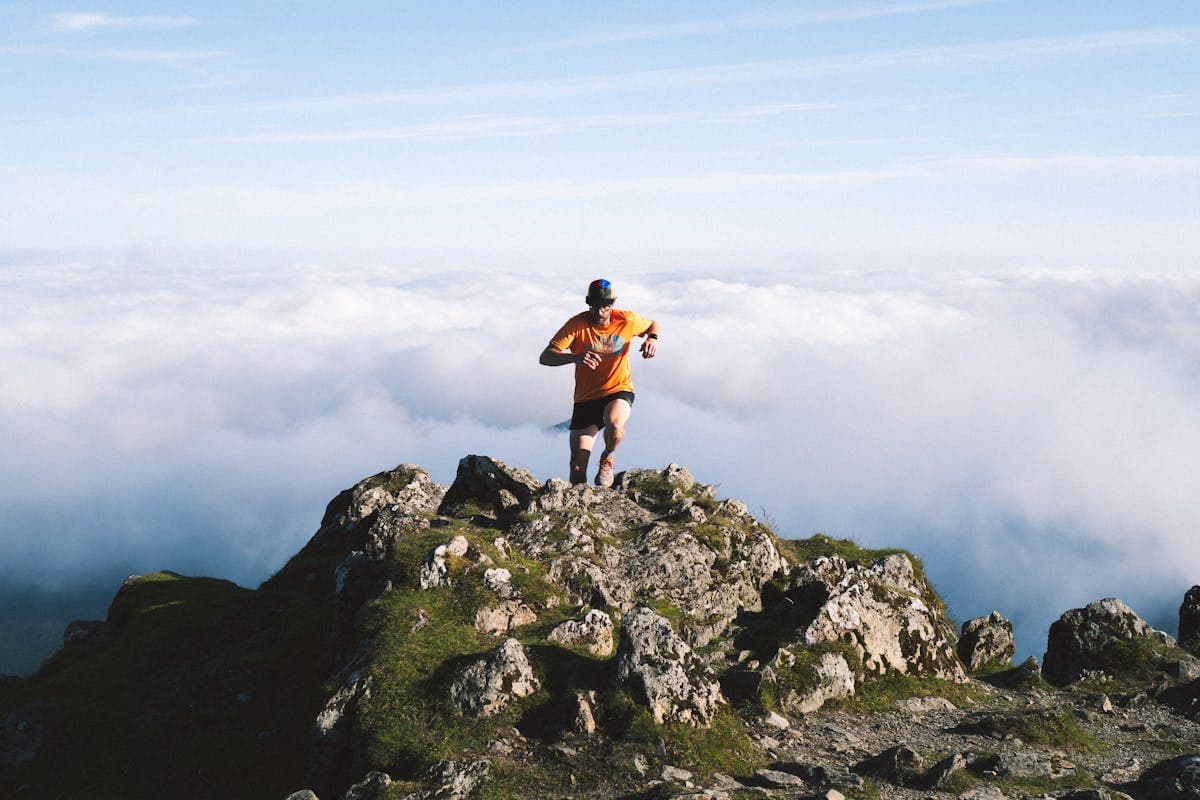
Shilajit for Runners and Endurance Athletes: Mitochondria, Iron, and a 4-Week Race Protocol
Shilajit's mitochondrial and CoQ10-sparing mechanism for endurance athletes, the iron caveat for high-mileage runners, and a 4-week race-prep protocol.
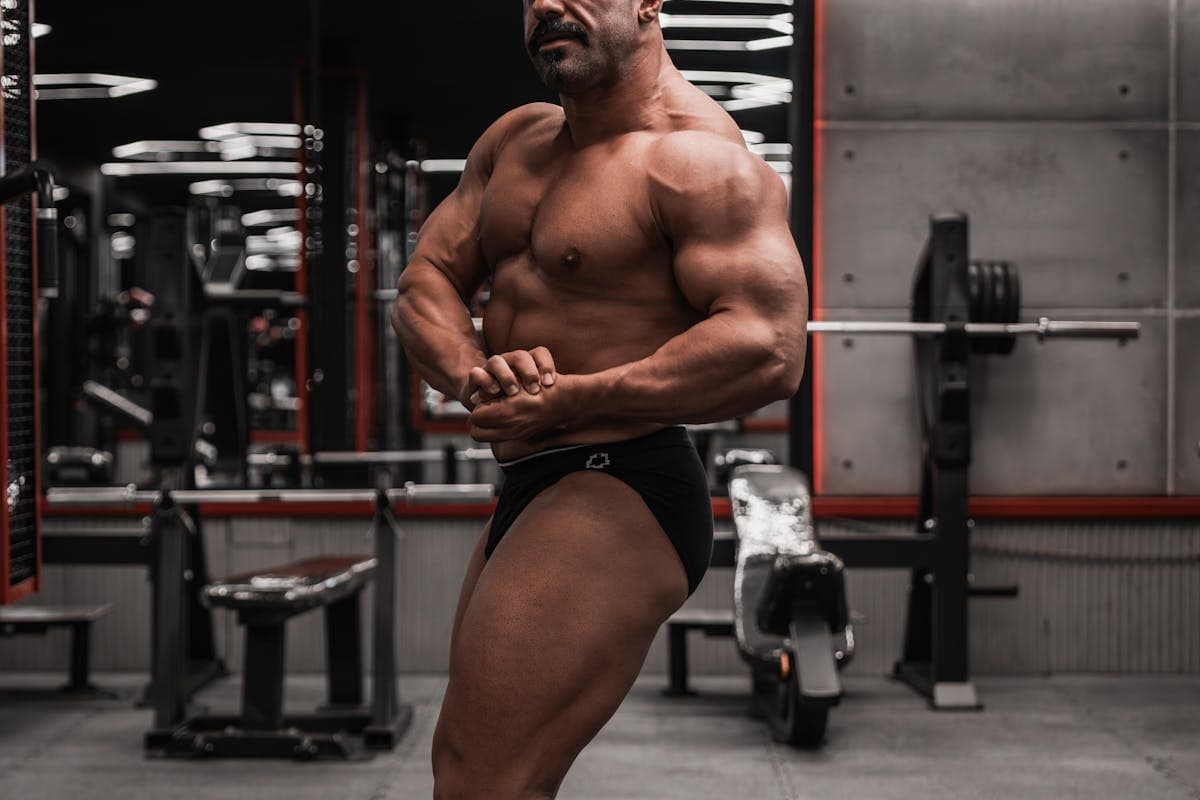
Shilajit for Bodybuilding and Muscle Gain: An Honest Hypertrophy Guide
Shilajit is a recovery and testosterone-support adjunct, not a primary anabolic. A 12-week protocol, real evidence, and honest comparisons to creatine, ashwagandha, and tongkat ali.

Shilajit for Anxiety and Stress: Honest Mechanism Review
What shilajit actually does for anxiety and stress, where the human evidence is thin, and how to stack it with ashwagandha for real acute anxiolysis.