
Is Shilajit Dangerous? Separating Fact from Fear

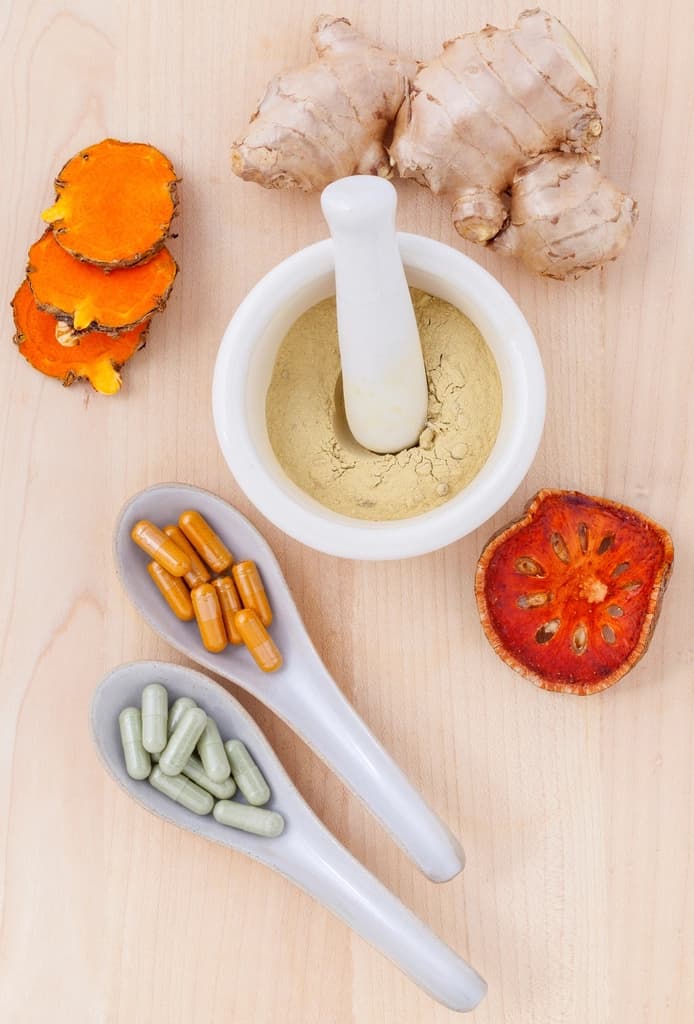
Is shilajit dangerous? For most healthy adults, a properly purified and lab-tested shilajit taken at standard doses is low risk and the side-effect rate in clinical trials is close to placebo. The danger is real, but it is concentrated in a few specific situations: raw unpurified resin contaminated with heavy metals, certain medications, and a handful of medical conditions.
So the honest answer is not a simple yes or no. The same scoop of resin can be benign or hazardous depending on who made it, how it was processed, and who is taking it. This article walks through the actual hazards, separates the genuine concerns from internet scare stories, and tells you exactly who should stay away.
In short: shilajit is not inherently dangerous for healthy adults, but unpurified product and a few drug interactions can make it harmful, so source quality and your own health profile decide the risk.
The Quick Risk Picture
Here is the danger ranked from most to least common in the real world:
- Heavy metals in raw resin (the single biggest hazard, and entirely avoidable with lab-tested product)
- Drug interactions (blood thinners, blood pressure meds, diabetes drugs, lithium)
- Iron overload in people who already store too much iron
- Allergic or digestive reactions (usually mild, sometimes from additives)
- Contamination with mold, fungus, or filler in cheap or fake products
Notice what is not on that list: shilajit does not behave like a stimulant overdose, it is not addictive, and there is no credible report of a healthy adult dying from a normal dose of clean shilajit. Most of the fear online conflates the worst-case raw product with the well-made product. For the broader safety context, our complete safety profile of shilajit covers the studies in depth, and the documented side effects page lists what users actually report.
Hazard 1: Heavy Metals in Unpurified Resin
This is where almost all of the real danger lives. Shilajit forms over centuries in rock crevices, and the raw material can carry lead, arsenic, mercury, and aluminum picked up from the surrounding stone. The U.S. National Institutes of Health Office of Dietary Supplements notes that botanical and mineral supplements can contain heavy metal contaminants, which is why third-party testing matters so much (ODS heavy metals guidance).
Traditional Ayurvedic processing, called shodhana, exists specifically to purify the raw resin and reduce these contaminants. You can read how that works in our explainer on how shilajit is made and the related sourcing standards. The takeaway is simple: purified product tested by an independent lab is a different thing from raw resin scraped off a mountain and sold in a jar. Studies on heavy metals in dietary supplements are catalogued in the medical literature (PubMed), and the FDA has issued repeated warnings about contaminated supplements (FDA).
Because of this, the most important safety decision you make is the brand. A DBP-verified, lab-tested option like this NATURAL SHILAJIT 20g batch publishes its purity testing, and PakShilajit purified Himalayan resin is processed specifically to lower contaminant load. If a product cannot show you a certificate of analysis, treat it as raw and risky. Our guide on how to test shilajit quality and the page on lab certification explain what to look for.
Hazard 2: Drug Interactions
This is the part most casual buyers miss. Shilajit is biologically active, and that means it can interact with medications. The interactions are predictable rather than mysterious.
- Blood thinners and antiplatelet drugs: shilajit may affect bleeding risk, so combining it with warfarin or aspirin therapy needs medical sign-off.
- Blood pressure medication: shilajit can lower blood pressure, which may stack with antihypertensives and cause readings that drop too far.
- Diabetes medication: it may influence blood sugar, so anyone on insulin or oral hypoglycemics should monitor closely. See our deeper look at shilajit for type 2 diabetes.
- Lithium: shilajit can affect how the body handles certain minerals, which is a theoretical concern with a narrow-window drug like lithium.
- Iron supplements: shilajit already provides iron, so doubling up raises overload risk.
The Cleveland Clinic and Mayo Clinic both advise running new supplements past your prescriber when you take regular medication (Cleveland Clinic on supplements, Mayo Clinic). That advice is not boilerplate. With shilajit, the interaction surface is genuinely wide because the resin touches iron metabolism, blood pressure, and glucose at once.
Hazard 3: Iron Overload and Specific Conditions
Shilajit naturally contains iron, which is helpful for many people but dangerous for a few. Anyone with hemochromatosis, thalassemia, or another iron-overload disorder should avoid it, because adding more iron to a body that already cannot clear it can cause real harm. The independent supplement reviewers at Examine summarize iron and mineral safety thresholds well (Examine).
People with active kidney disease, uncontrolled autoimmune conditions, or a history of gout should also be cautious and talk to a clinician first. None of this makes shilajit a poison. It simply means a mineral-rich supplement is the wrong tool for a body that is already overloaded or compromised. Our minerals breakdown shows exactly what the resin contains, and the fulvic acid page explains its most studied compound.
Hazard 4: Fake, Moldy, and Adulterated Product
A surprising amount of the danger is not shilajit at all. Counterfeit products may be cheap brown paste, road tar, or resin cut with filler. Others are genuine but stored badly and grow mold. Fakes can also be the ones most likely to carry untested heavy metals.
This is why authenticity testing matters. Learn the simple checks in how to test shilajit quality and read about shilajit myths to avoid being misled. Reputable resin such as Herbs Mill Himalayan Shilajit Essential or a clearly labeled Himalayan Pure Extract in capsule form reduces the guesswork, since capsules are pre-dosed and harder to adulterate by eye. If you prefer convenience without resin handling, well-made shilajit gummies with ashwagandha are another lower-mess format.
Hazard 5: Taking Too Much for Too Long
Even clean shilajit can become a problem at the wrong dose. More is not better with a mineral-dense supplement, and chronically high intake raises the iron and contaminant exposure that low doses keep trivial. Stick to label directions, usually in the 250 to 500 mg range for resin, and read our dedicated dosage guide before you start.
Cycling also helps. Taking periodic breaks lowers cumulative exposure and is the conservative approach. Our cycling protocol and the practical how to take shilajit walkthrough cover the sensible patterns. Healthline has a plain-language overview of shilajit dosing and cautions if you want a second source (Healthline).
Who Should Avoid Shilajit Entirely
Some people should not take shilajit at any dose, clean or not:
- Pregnant and breastfeeding people. Safety has not been established, and the contaminant risk is not worth taking. See shilajit and pregnancy safety.
- People with iron-overload disorders such as hemochromatosis or thalassemia.
- Anyone on blood thinners, lithium, or tightly managed blood pressure or diabetes medication without explicit clinician approval.
- Children, since dosing and safety data in kids are lacking.
- People with a known allergy to humic or fulvic substances.
If you fall outside those groups and you are a healthy adult, the practical risk of a tested, purified product is low. The clinical record on shilajit at standard doses is reassuring, with adverse events comparable to placebo in published trials (NIH PMC archive).
How to Make Shilajit Low-Risk
You control most of the danger through three choices. First, buy lab-tested, purified product and demand a certificate of analysis. Second, match the supplement to your own health profile and medications. Third, dose conservatively and cycle. A purified resin like SHILAJOY resin for men and women paired with sensible dosing checks most of those boxes.
For more on choosing well, see the supplement buying guide, the comparison of resin versus other formats, and our overview of whether shilajit actually works so your expectations stay realistic. The upside is covered in the complete benefits guide, and you can sanity-check claims against the myths debunked page.
The Bottom Line
Shilajit is not the dangerous substance some headlines suggest, and it is not the harmless miracle others sell. The truth sits in the middle. A purified, third-party-tested product taken at normal doses by a healthy adult carries low risk. Raw, untested, or fake resin carries real risk, and certain people should never use it at all. Get the source right, respect the interactions, and most of the fear dissolves.
Frequently Asked Questions
Q: Is shilajit dangerous for healthy adults?
For healthy adults, a purified and lab-tested shilajit taken at standard doses (typically 250 to 500 mg) is low risk, with side-effect rates close to placebo in clinical trials. The danger rises sharply with unpurified or fake product and with certain medications.
Q: What makes some shilajit dangerous and other shilajit safe?
Mostly purification and testing. Raw resin can carry lead, arsenic, mercury, and aluminum, while properly processed and independently tested product removes most of that risk. Always look for a certificate of analysis before buying.
Q: Can shilajit interact with my medications?
Yes. Shilajit can affect bleeding risk, blood pressure, and blood sugar, and it adds iron to your system. If you take blood thinners, blood pressure or diabetes medication, lithium, or iron supplements, check with your clinician first.
Q: Who should never take shilajit?
Pregnant and breastfeeding people, anyone with an iron-overload disorder like hemochromatosis, children, and people on tightly managed medications without medical approval should avoid it. People allergic to humic or fulvic substances should also skip it.
Q: Is it dangerous to take shilajit every day?
Daily use at label doses is generally fine for healthy adults using clean product, but because shilajit is mineral-dense, many people cycle it with periodic breaks to keep cumulative iron and contaminant exposure low. Avoid taking more than the recommended amount.
How we research this content
This article was written by Paula Kessler and reviewed against published research and traditional sources by the Clean Shilajit editorial team. Where we reference studies, we link to them so you can read the original.
This content is for education and is not medical advice. It follows our editorial guidelines and is updated as new evidence emerges. Always speak with a qualified healthcare provider before changing your supplement routine.
Ready to Experience Pure Shilajit?
Check out our recommended products and start your wellness journey today.
View Recommended ProductsRelated Articles
Is Shilajit Safe? The Honest Risk Profile and Who Should Avoid It
Heavy metals, iron overload, drug interactions, and pregnancy. The full safety picture on shilajit, with real studies and clean-brand criteria.
Shilajit Contraindications: Who Should Not Take It
Shilajit contraindications you need to know: pregnancy, hemochromatosis, kidney disease, blood thinners and diabetes meds. Who should avoid it and when to ask a doctor.
Shilajit and Kidney Health: Risks, Benefits and Precautions
Shilajit side effects on kidney explained plainly: who is at risk from heavy metals and uric acid, when it may help, and the precautions to take before you start.