
Shilajit Drug Interactions: What You Must Know Before Taking It

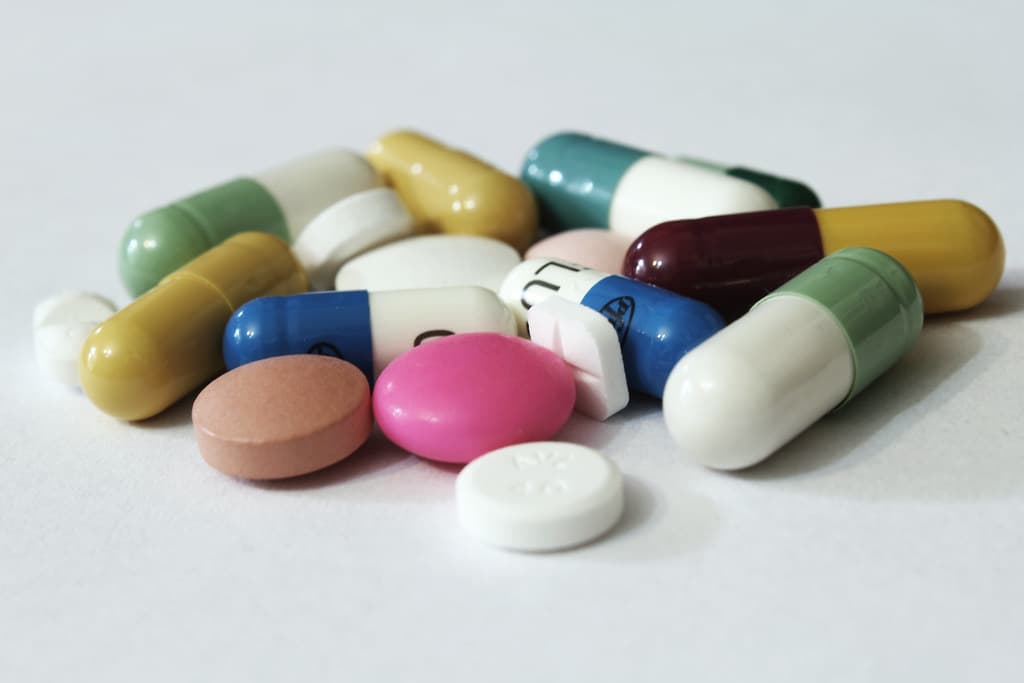
Shilajit drug interactions are real but underdiscussed, and they matter most if you take medication for diabetes, blood pressure, blood clotting, or a mental health condition. The biggest concerns are with iron supplements, anticoagulants like warfarin, blood-sugar-lowering drugs, lithium, and blood pressure medication. Shilajit can add to or amplify what these drugs already do, which can push you past a safe range without anyone noticing.
The short version: shilajit is generally well tolerated on its own, but it is not "just a mineral supplement." It is mineral-rich and biologically active, so if you are on a prescription that controls a measurable number in your body (blood sugar, INR, blood pressure, lithium level), you need to think about overlap before you start.
Quick answer: If you take iron, blood thinners, diabetes medication, lithium, or blood pressure drugs, talk to your doctor or pharmacist before adding shilajit, because the combination can shift your numbers in ways that need monitoring.
The Main Shilajit Drug Interactions at a Glance
Here is the practitioner-style shortlist. Each row is explained in detail further down.
| Drug or class | Why it matters with shilajit | What to do |
|---|---|---|
| Iron supplements / iron-rich diet | Shilajit contains iron and may add to total load | Avoid stacking; monitor if you have high iron |
| Blood thinners (warfarin, DOACs, aspirin) | Possible additive effect on bleeding/clotting | Doctor approval + INR monitoring |
| Diabetes medication (metformin, insulin, sulfonylureas) | Shilajit may lower blood sugar further | Watch for hypoglycemia, monitor glucose |
| Blood pressure medication | Possible additive lowering of blood pressure | Monitor BP, especially when starting |
| Lithium | Theoretical reduced excretion, narrow safety window | Avoid unless supervised, check levels |
| Gout medication / high uric acid | Shilajit may raise uric acid in some people | Caution if you have gout |
This is not a complete list of every possible combination, but it covers the interactions that come up most often. If your medication is not here, that does not mean it is automatically safe to combine. It means the data is thin, which is its own reason for caution.
Iron Supplements and Iron Overload
This is the interaction people miss most. Shilajit is naturally rich in minerals, and iron is one of them, which is part of why it shows up in conversations about shilajit minerals and overall vitamins and nutrition.
If you already take an iron supplement, eat a very high-iron diet, or have a condition like hemochromatosis (a genetic disorder that causes the body to store too much iron), adding shilajit on top can contribute to iron overload. Excess iron is not benign. The Cleveland Clinic describes how too much stored iron can damage the liver, heart, and other organs over time.
The practical move: do not stack shilajit with iron pills unless a clinician has reviewed your iron studies. If you have ever been told your ferritin is high, treat shilajit as something to clear first. You can read more about who should be cautious in our guide on whether shilajit is safe.
Blood Thinners and Bleeding Risk
If you take an anticoagulant such as warfarin, a direct oral anticoagulant (DOAC), or even daily aspirin, this is a conversation to have before you start shilajit.
The concern is additive effect. Shilajit's mineral content and bioactive compounds may influence clotting-related processes, and when you combine anything that affects bleeding with a prescription thinner, the margin for error shrinks. The National Library of Medicine overview of shilajit notes its broad bioactivity, which is exactly why caution is warranted around drugs with a narrow safety window.
If you are on warfarin specifically, your INR (the lab value that tracks how "thin" your blood is) needs to stay in a tight range. Introducing a new active supplement is precisely the kind of change that can move it. Do not start shilajit without telling the prescriber who manages your INR.
Diabetes Medication and Low Blood Sugar
Shilajit has been studied in the context of metabolic and blood-sugar support, which is why we cover it in depth for type 2 diabetes and weight and metabolism. That same property is the reason it can interact with diabetes drugs.
If shilajit nudges your blood sugar down and your medication (metformin, a sulfonylurea, or insulin) is already doing that job, the combined effect can cause hypoglycemia (blood sugar that drops too low). Symptoms include shakiness, sweating, confusion, and dizziness. The Mayo Clinic explains why low blood sugar in people on diabetes medication needs to be taken seriously.
The safe approach is not to avoid shilajit outright but to monitor. Check your glucose more often in the first couple of weeks, know your hypoglycemia symptoms, and let your doctor know so they can adjust your medication if needed.
Blood Pressure Medication
Some people use shilajit hoping for cardiovascular or circulatory benefits. If you also take blood pressure medication, the two can stack and push your pressure lower than intended.
Low blood pressure can cause lightheadedness, fatigue, and fainting, especially when you stand up quickly. The fix is simple monitoring: take your blood pressure at home for the first two to three weeks after starting, and watch for symptoms. If you notice your readings dropping or you feel dizzy, talk to your prescriber rather than just stopping a medication on your own.
Lithium
Lithium is one of the clearest "be cautious" interactions for any mineral-rich supplement, and shilajit is mineral-rich by definition.
Lithium has a very narrow therapeutic window, meaning the difference between a helpful dose and a toxic one is small. Supplements that affect fluid balance, kidney function, or mineral excretion can theoretically change how much lithium your body holds onto. The general principle, summarized well by resources like Examine, is that combining poorly characterized supplements with narrow-window drugs is a risk you do not take casually. If you are on lithium, do not add shilajit without psychiatric and medical supervision.
Gout and Uric Acid
Shilajit may raise uric acid levels in some people. If you have gout or take medication to control uric acid, this is worth flagging to your doctor. It is not a reason for everyone to worry, but for someone managing gout, an unexpected uric acid bump can trigger a flare. This is one of several reasons we list it in our broader rundown of shilajit side effects.
Why Product Quality Changes the Interaction Picture
A lot of "shilajit interactions" are really contamination problems. Raw or poorly purified shilajit can carry heavy metals like lead and arsenic, and the FDA has long flagged lead in food and supplements as a safety concern. Heavy metals do not just cause direct harm; they can interact badly with medications your liver and kidneys are already working to process.
This is why purity is not a luxury feature. A lab-tested, properly purified resin like the DBP-verified NATURAL SHILAJIT or a purified PakShilajit Himalayan resin removes a whole category of risk before you ever get to drug interactions. If you want to understand what testing actually proves, see our explainer on lab certification and how to test shilajit quality yourself.
Format matters too. Some people prefer the dosing consistency of Himalayan Pure Extract capsules over eyeballing resin, which can make it easier to keep your intake steady and predictable while you and your doctor watch how a medication responds. For a sense of the full landscape, our supplement guide and the ultimate buying guide for 2026 walk through what to look for.
Who Should Avoid Shilajit Entirely
Some groups should skip shilajit regardless of how it is dosed.
- Pregnant or breastfeeding people. Safety has not been established, and our pregnancy safety guide explains why this is a hard no for now.
- Anyone with hemochromatosis or known high iron stores.
- People with active gout or uncontrolled high uric acid, unless cleared by a doctor.
- Anyone on lithium without psychiatric supervision.
- People on warfarin or other anticoagulants who have not run it past their prescriber.
Children should not take shilajit. And if you have any chronic kidney or liver condition, get medical sign-off first, because those organs handle both minerals and medications.
How to Take Shilajit Safely Alongside Medication
If your doctor clears you, a few habits keep the combination low-risk.
Start low and go slow. A conservative dosage gives you and any monitoring (glucose, blood pressure, INR) time to show a trend before you increase. Separate shilajit from prescription doses by a few hours so a mineral-rich supplement is less likely to interfere with absorption; our guide on how to take shilajit covers timing in more detail.
Keep one variable at a time. Do not start shilajit the same week you change a medication, start another supplement, or overhaul your diet. If something shifts, you want to know what caused it. A structured cycling protocol can also help you and your clinician read your body's response cleanly.
For combinations, be aware that adaptogen stacks add complexity. Products like Be Bodywise Shilajit with Ashwagandha or shilajit gummies with ashwagandha introduce a second active ingredient, which our shilajit and ashwagandha breakdown addresses. More ingredients means more potential overlap with medication, so single-ingredient products are simpler when you are also managing a prescription. For trusted background on supplement safety in general, the NIH Office of Dietary Supplements is a solid reference, and consumer-friendly overviews from Healthline can help you frame questions for your pharmacist.
The Bottom Line
Shilajit is not a high-interaction supplement for most healthy adults, but it is not interaction-free either. The medications that matter are iron, blood thinners, diabetes drugs, blood pressure drugs, lithium, and gout treatments. In every one of those cases, the issue is the same: shilajit can add to what your medication already does, so the answer is monitoring and medical sign-off, not guesswork. Choose a purity-verified product, start low, change one thing at a time, and keep your prescriber in the loop.
Frequently Asked Questions
Q: Can I take shilajit with blood pressure medication?
Possibly, but only with monitoring. Shilajit may lower blood pressure, which can stack with your medication and cause readings to drop too low. Check your blood pressure at home for the first few weeks and talk to your prescriber before starting.
Q: Does shilajit interact with diabetes medication?
It can. Shilajit may lower blood sugar, and combined with metformin, insulin, or sulfonylureas, that raises the risk of hypoglycemia. Monitor your glucose more closely when you start and tell your doctor so they can adjust your medication if needed.
Q: Is shilajit safe with blood thinners like warfarin?
Not without medical approval. There is a possible additive effect on bleeding and clotting, and drugs like warfarin have a narrow safe range tracked by your INR. Do not add shilajit without telling the doctor who manages your anticoagulation.
Q: Should I avoid shilajit if I take iron supplements?
Yes, avoid stacking them unless a clinician has reviewed your iron levels. Shilajit is iron-rich, and combining it with iron pills or a high-iron condition like hemochromatosis can contribute to iron overload, which damages organs over time.
Q: Can I take shilajit with lithium?
Only under medical and psychiatric supervision. Lithium has a very narrow therapeutic window, and mineral-rich supplements like shilajit could theoretically affect how much lithium your body retains. The risk is not worth taking without oversight.
How we research this content
This article was written by Paula Kessler and reviewed against published research and traditional sources by the Clean Shilajit editorial team. Where we reference studies, we link to them so you can read the original.
This content is for education and is not medical advice. It follows our editorial guidelines and is updated as new evidence emerges. Always speak with a qualified healthcare provider before changing your supplement routine.
TAGS
Ready to Experience Pure Shilajit?
Check out our recommended products and start your wellness journey today.
View Recommended ProductsRelated Articles
Shilajit Heavy Metals and FDA Warnings: What Buyers Need to Know
A clear look at the shilajit heavy metals FDA warning issue: what regulators actually say, why raw resin can carry lead and arsenic, and how to buy safely.
Is Shilajit Safe? The Honest Risk Profile and Who Should Avoid It
Heavy metals, iron overload, drug interactions, and pregnancy. The full safety picture on shilajit, with real studies and clean-brand criteria.

Shilajit and Pregnancy: A Safety Pillar Review
Honest, evidence-based safety review of shilajit during pregnancy and lactation. Default position: do not use without OB-GYN supervision.