
Shilajit and Hemochromatosis: Iron Overload Risk Explained

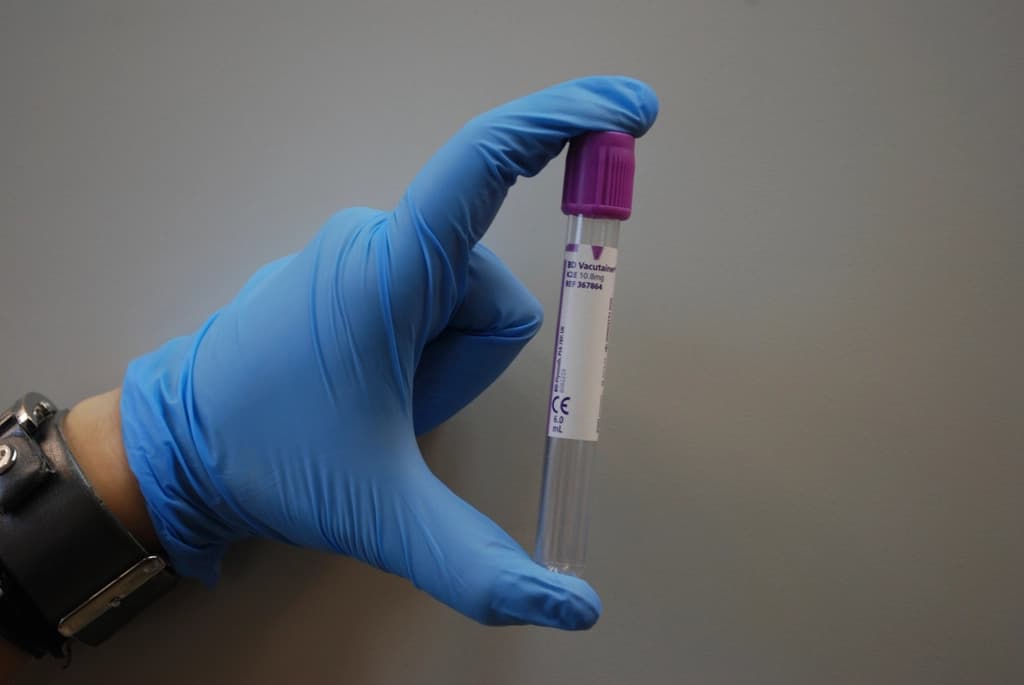
If you have hemochromatosis or any condition that causes iron overload, the short answer is that shilajit is generally not a good fit for you. Shilajit naturally contains iron and other minerals, and fulvic acid (one of its main active compounds) may improve how well your gut absorbs that iron. For someone whose body already stores too much iron, adding a mineral-rich supplement on top is the wrong direction.
This guide explains the shilajit iron overload hemochromatosis question in plain terms: what iron overload is, how much iron shilajit actually carries, why fulvic acid matters, what the research does and does not say, and what to do instead. If you take iron-related medications or get regular blood draws (phlebotomy), read the safety section before you read anything about products.
Bottom line: people with hemochromatosis, hereditary iron overload, or any diagnosed iron-loading disorder should avoid shilajit because it adds iron and may enhance iron absorption, both of which work against the goal of lowering iron stores.
What Iron Overload and Hemochromatosis Are
Iron overload means your body holds more iron than it can safely use or store. Hereditary hemochromatosis is the most common genetic cause, where the body absorbs too much iron from food over many years. Other causes include repeated blood transfusions, certain anemias, and some liver conditions.
Excess iron is not flushed out easily. Instead it builds up in the liver, heart, pancreas, and joints, where it can cause damage over time. The standard medical resources from Cleveland Clinic and the Mayo Clinic describe symptoms ranging from fatigue and joint pain to more serious organ problems when it goes untreated.
Treatment is usually about removing iron, not adding it. That is the core reason a mineral-dense supplement raises a red flag here.
How Much Iron Does Shilajit Contain?
Shilajit is a mineral-rich substance formed from compressed plant and microbial matter over centuries. Its mineral content is part of why people take it, and iron is one of the minerals routinely detected in it. You can read more about its broader profile in our guide to the minerals found in shilajit and the related breakdown of vitamins and nutrition in shilajit.
The exact iron amount varies a lot by source, purity, and batch, so there is no single reliable figure that applies to every product. That variability is itself a problem for someone managing iron overload: you cannot count on a consistent, low dose. Some raw or poorly purified material can also carry heavy metals, which is a separate concern covered in our pieces on shilajit purity and how to test shilajit quality.
For most healthy adults, the iron in a normal serving is small relative to daily intake. For someone with hemochromatosis, even modest extra iron from any source is unwanted, because the whole goal is to reduce stored iron, not nudge it upward.
The Fulvic Acid Factor
The bigger issue is not just the iron shilajit contains, but how its main active compound behaves. Shilajit is rich in fulvic acid, a natural organic compound that can bind minerals and may help carry them across the gut lining.
Fulvic acid is often marketed as a benefit because it can improve mineral absorption and bioavailability. For a person with normal iron handling, better absorption of trace minerals is usually fine. For a person with hemochromatosis, improved iron uptake is exactly what you want to avoid. The National Institutes of Health iron fact sheet explains how dietary factors can raise or lower iron absorption, and anything that enhances uptake is a concern when your body already absorbs too much.
So the risk is twofold: shilajit adds some iron directly, and its chemistry may help your body absorb iron more efficiently. Both push in the wrong direction for iron overload.
What the Research Does and Does Not Say
Be honest about the evidence here. Most shilajit research focuses on energy, fertility, and antioxidant effects, not on iron loading in people with hemochromatosis. There is no large, high-quality human trial showing whether shilajit is safe or harmful specifically for people with iron overload. You can browse the underlying literature through PubMed and the PMC archive.
Because that direct evidence is missing, the cautious approach is the right one. We know shilajit contains iron, we know fulvic acid can aid mineral absorption, and we know hemochromatosis treatment is built around lowering iron. Combining those facts, the sensible conclusion is to avoid it rather than experiment.
Independent summaries like Examine and consumer-health explainers from Healthline also stress that supplement quality and contamination are real issues, which only strengthens the case for caution in a higher-risk group. For a general overview of who should be careful, see our roundup of shilajit side effects and the broader is shilajit safe guide.
Who Should Avoid Shilajit for Iron Reasons
Iron overload is one of several situations where caution wins. You should avoid shilajit, or only use it with a doctor's sign-off, if any of the following apply.
- You have hereditary hemochromatosis or another diagnosed iron-loading disorder.
- You are on therapeutic phlebotomy or iron-chelation therapy.
- You take prescription iron or high-dose iron supplements and have not been told to.
- You have certain anemias treated with regular transfusions.
- You have unexplained high ferritin or transferrin saturation on bloodwork.
Beyond iron, the usual cautions still apply. Pregnant and breastfeeding people should avoid it (see shilajit and pregnancy safety), and anyone on chronic medication should check for interactions first. The U.S. FDA dietary supplement overview is a good reminder that supplements are not pre-approved for safety, so the responsibility to vet them falls on you and your clinician.
If You Still Want to Use Shilajit, Talk to Your Doctor First
If you have iron overload and are still curious, the only safe path is a conversation with the doctor who manages your condition. They can check your ferritin and transferrin saturation, weigh your current iron status, and tell you whether any supplement is reasonable. Do not self-experiment based on a label claim.
For people without iron concerns who simply want a quality product, purity matters most. Lab-verified resins such as PakShilajit purified Himalayan resin and the third-party tested DBP-verified Natural Shilajit 20g at least give you a clearer picture of what is in each batch. A documented authentic Himalayan shilajit with published testing is preferable to anonymous bulk resin.
If you prefer a measured format, capsules such as Himalayan pure extract capsules make portion control easier than freehand resin, and some users like the convenience of a sugar-free ShilAbsorb formula. None of this changes the core message: if you have hemochromatosis, the safest dose is zero. To learn how products are vetted, see our notes on shilajit lab certification and sourcing standards.
Safer Alternatives if You Have Iron Overload
If you were drawn to shilajit for energy, stamina, or general wellness, there are options that do not pile on iron-absorption concerns. Adaptogens like ashwagandha are a common starting point, and you can compare them in our shilajit vs ashwagandha breakdown. For exercise performance, creatine is well studied and does not carry the same mineral-loading profile; see shilajit vs creatine.
Whatever you pick, run it past your care team and keep monitoring your iron markers on the schedule they set. Managing iron overload is a long game, and the supplements you skip can matter as much as the treatments you keep.
Frequently Asked Questions
Q: Is shilajit safe if I have hemochromatosis?
Generally no. Shilajit contains iron and its fulvic acid content may enhance iron absorption, both of which work against the goal of lowering iron stores. People with hemochromatosis or other iron-loading conditions should avoid it unless a doctor who manages their condition specifically approves it.
Q: How much iron is in shilajit?
The amount varies widely by source, purity, and batch, so there is no single reliable figure that applies to every product. That inconsistency is part of the problem for someone with iron overload, because you cannot count on a predictable, low dose.
Q: Does fulvic acid increase iron absorption?
Fulvic acid can bind minerals and may help carry them across the gut lining, which is often promoted as improved bioavailability. For someone with normal iron handling that is usually fine, but for someone with hemochromatosis, better iron uptake is exactly what you want to avoid.
Q: Can shilajit cause iron overload in healthy people?
For most healthy adults, the iron in a normal serving is small relative to daily intake and is unlikely to cause overload on its own. The concern is specific to people who already have an iron-loading condition or who take very high doses of mineral-rich or contaminated products.
Q: What should I take instead of shilajit if I have iron overload?
Options that do not raise iron-absorption concerns include adaptogens like ashwagandha for general wellness and creatine for exercise performance. Always confirm any new supplement with the doctor managing your iron levels and keep monitoring your ferritin and transferrin saturation.
How we research this content
This article was written by Paula Kessler and reviewed against published research and traditional sources by the Clean Shilajit editorial team. Where we reference studies, we link to them so you can read the original.
This content is for education and is not medical advice. It follows our editorial guidelines and is updated as new evidence emerges. Always speak with a qualified healthcare provider before changing your supplement routine.
Ready to Experience Pure Shilajit?
Check out our recommended products and start your wellness journey today.
View Recommended ProductsRelated Articles
Shilajit Drug Interactions: What You Must Know Before Taking It
Shilajit drug interactions explained: iron, blood thinners, diabetes meds, lithium, and blood pressure drugs, plus who should avoid it and how to stay safe.
Is Shilajit Safe? The Honest Risk Profile and Who Should Avoid It
Heavy metals, iron overload, drug interactions, and pregnancy. The full safety picture on shilajit, with real studies and clean-brand criteria.
Shilajit Heavy Metals and FDA Warnings: What Buyers Need to Know
A clear look at the shilajit heavy metals FDA warning issue: what regulators actually say, why raw resin can carry lead and arsenic, and how to buy safely.